








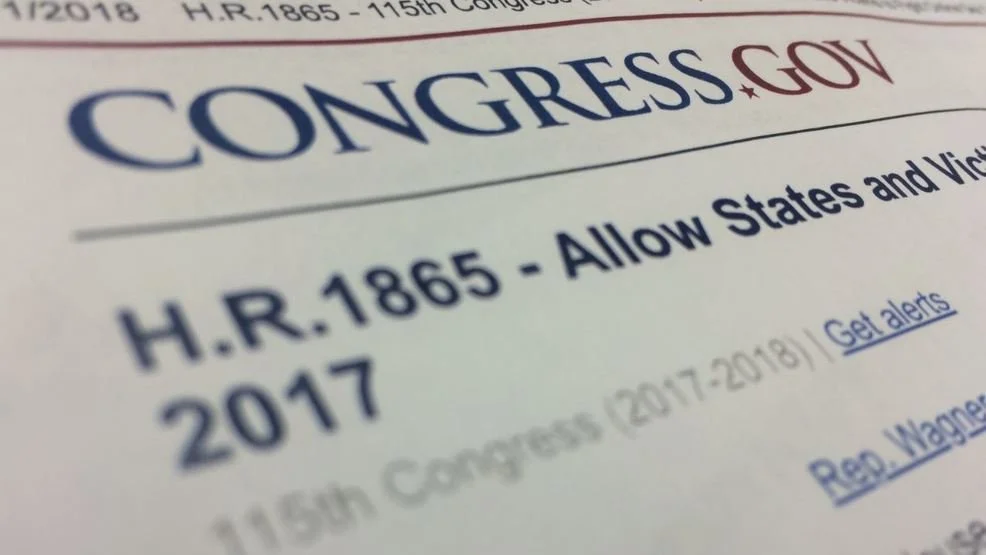
New Federal Law Will Allow Victims and Prosecutors to Go After Websites That Promote Sex Trafficking
Senate joins House in passing law that strips websites of immunity for knowingly running sex trafficking ads

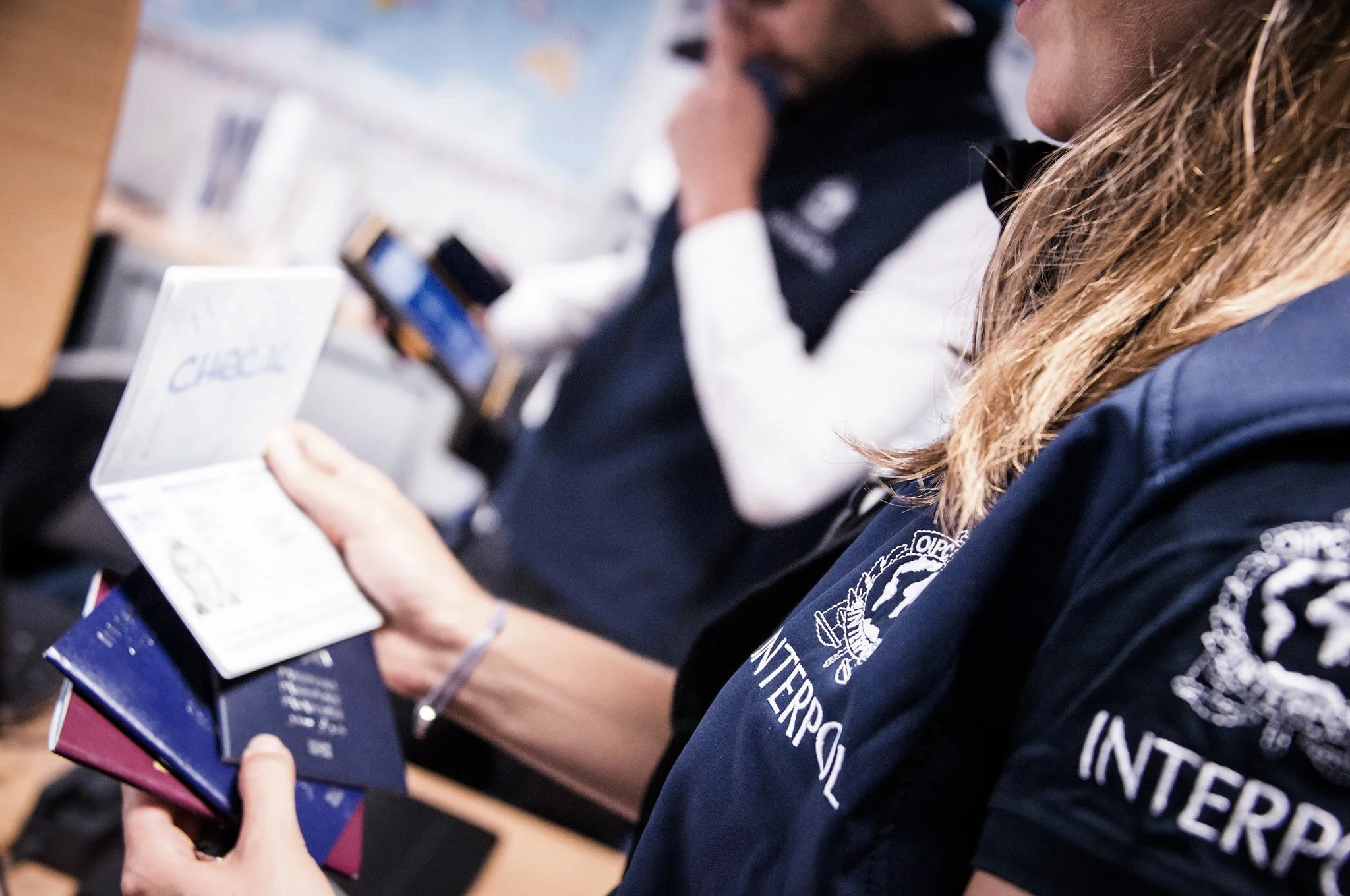
New Study Suggests that Boys and Very Young Children at Greater Risk of Most Severe Online Sexual Exploitation
Ground-breaking research into the online sexual exploitation of children has brought to light the urgent need to better understand and measure the problem says INTERPOL and a campaign group.
A report from a new study, released by INTERPOL and ECPAT International today, suggests that when online images or videos of child sexual abuse depict boys or very young children, the abuse is more likely to be severe.

ECPAT-USA and Marriott International Announce New Partnership to Protect Children from Trafficking
ECPAT-USA, the country’s leading anti-child trafficking policy organization, announced a new partnership with global hospitality company Marriott International to combat and prevent human trafficking and exploitation in all forms. Marking National Slavery and Human Trafficking Prevention Month, Marriott International signed ECPAT-USA’s Tourism Child-Protection Code of Conduct (The Code), an industry-driven responsible tourism initiative with a mission to provide awareness, tools, and support to the travel and hospitality industry in order to prevent the sexual exploitation of children.



ECPAT-USA and American Airlines Partner to Protect Children from Trafficking and Exploitation
ECPAT-USA is proud to announce that American Airlines is taking a major step in the fight against human trafficking and child exploitation by committing to sign ECPAT-USA’s Tourism Child-Protection Code of Conduct (The Code). The Code is an industry-driven responsible tourism initiative with a mission to provide awareness, tools and support to the tourism industry in order to prevent the sexual exploitation of children.

Uber Signs Tourism Child-Protection Code of Conduct
ECPAT-USA is proud to announce a partnership with Uber to take a stand against the commercial sexual exploitation of children by signing the Tourism Child-Protection Code of Conduct (The Code) for initial implementation in the United States.