

Global Guide to Recognizing and Responding to Child Sex Trafficking
A Global Safety Guide - Travel Responsibly & Protect Children
What is Child Sex Trafficking?
Child sex trafficking occurs when someone under 18 years old is bought, sold, or used for sexual purposes - including when children engage in sex to meet basic needs such as food, shelter, or safety. A child cannot consent to be sold for sex. In all instances, abusers are exploiting the vulnerabilities of the child.
A Cultural Awareness Reminder
When traveling, behaviors can look different across cultures
Children may be taught not to speak to strangers
Family structures and guardianship roles may vary
Language barriers may affect communication
Clothing or appearance may reflect local norms or economic conditions
Focus on patterns of control, fear, or restricted freedom - not a single behavior.
Recognize The Signs
Trafficking indicators may be overt or subtle. A single sign does not indicate trafficking, but several signs together should be reported.
What To Look For:
The child seems scared, disoriented, or lost
The child may not be able to identify where they are or how long they are staying there
An older person is constantly monitoring the child’s movements and speaks for them
The child’s responses seem scripted
Sudden or dramatic changes in behavior
Signs of untreated injuries, exhaustion, or malnutrition,
Not dressed in weather-appropriate attire
Note: Language barriers or cultural differences alone are not indicators - look for signs of coercion or control.
Many people travel with a sincere desire to give back, but well-intentioned "voluntourism" can inadvertently harm the well-being of children. In some cases, these trips create significant safety risks, providing avenues for offenders to access and exploit vulnerable youth. To ensure your efforts make a positive impact, it is crucial to understand how to volunteer responsibly. For more information on ethical practices, please visit the ECPAT International Regulating Voluntourism Resource Hub.

How To Respond If You Suspect Child Trafficking
Do not intervene directly - never confront the suspected trafficker or attempt to rescue the individuals yourself. Direct intervention can:
Escalate danger for the potential victims
Put yourself at personal risk
Interfere with law enforcement efforts
In emergency cases, dial emergency services
Examples of emergencies
Physical violence occurring
Someone being forcibly restrained
A minor in immediate distress
Threats involving weapons
Take note of any physical descriptions, location, or suspicious activity
If you are in a business setting (Airport, Airline, Hotel, Bus, Train, etc.)
Report concerns to a staff member or manager
Many travel industry employees are trained and have established protocols to respond safely
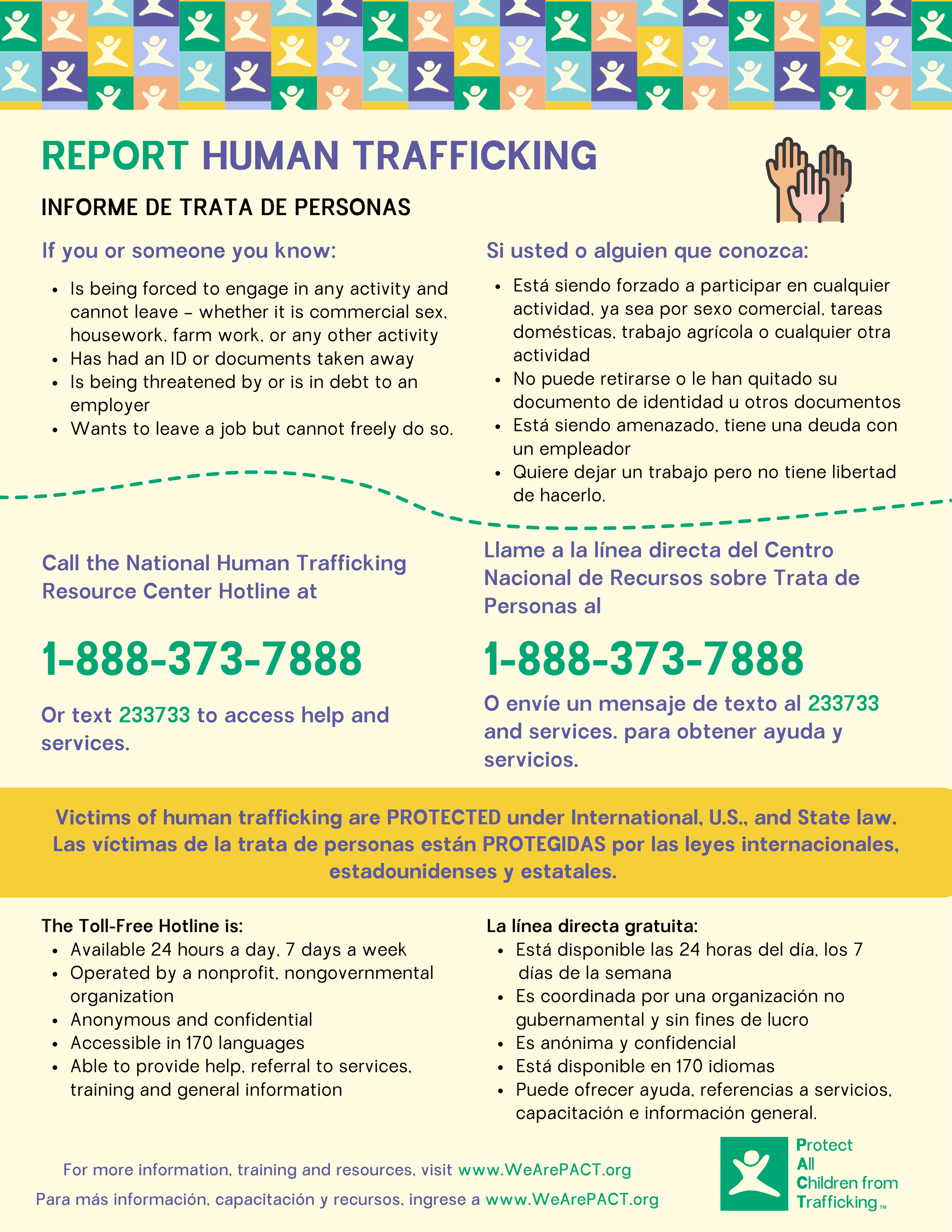
Also report to the National Human Trafficking Hotline at 1-888-373-7888 or text at 233733
If you are in public without direct staff support:
For the United States: Call the National Human Trafficking Hotline at 1-888-373-7888 or text at 233733
For Global Travel, visit the Global Modern Slavery Directory to find reporting hotlines and support services in your country.

The Global Safety Guide Initiative is proudly led and funded by the SITE Foundation.
