Change Happens Together: Art, Conversation, and Connection with Red Sand Project
No child and no childhood is “perfect.” We all have vulnerabilities. But for some youth, those vulnerabilities are like cracks in their foundations, leaving them more susceptible to harm.
To illustrate how these vulnerabilities show up, PACT teamed up with Red Sand Project during National Human Trafficking Prevention Month to bring visibility to the individuals, especially youth, that “fall through the cracks.”
The Campaign
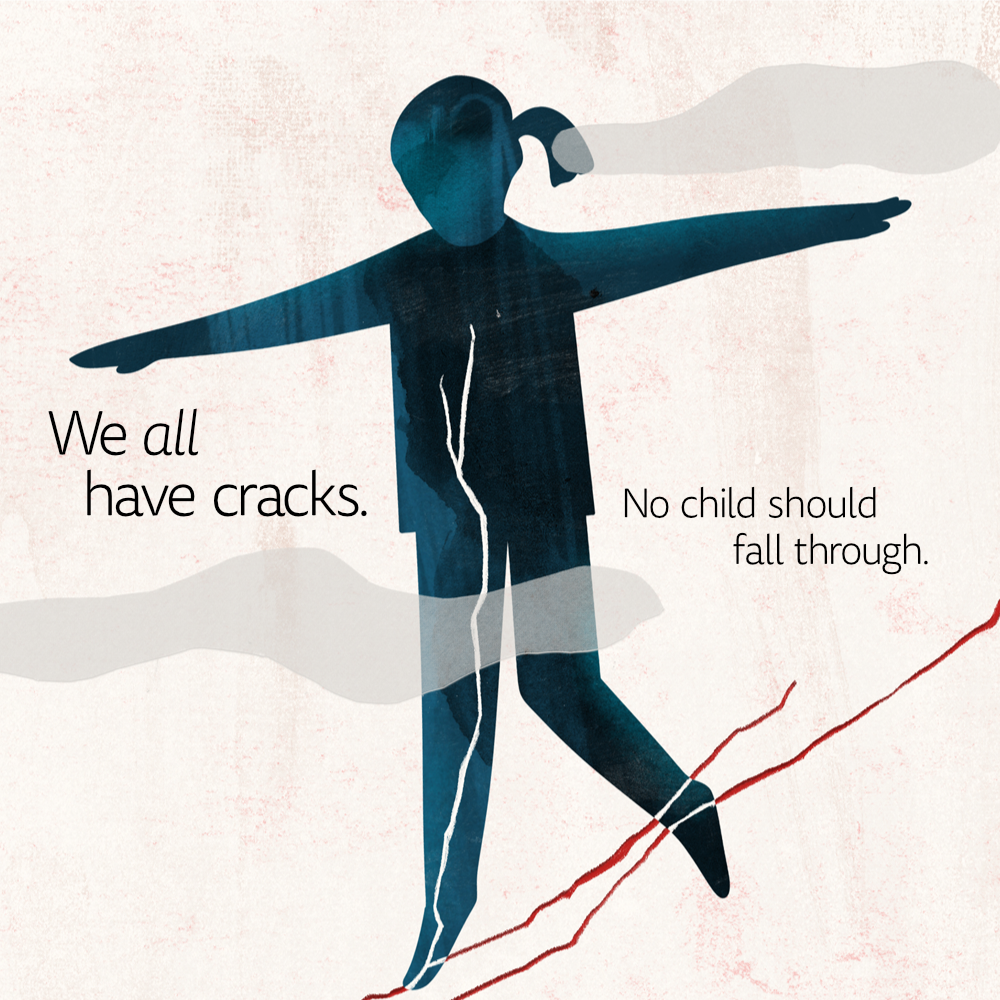
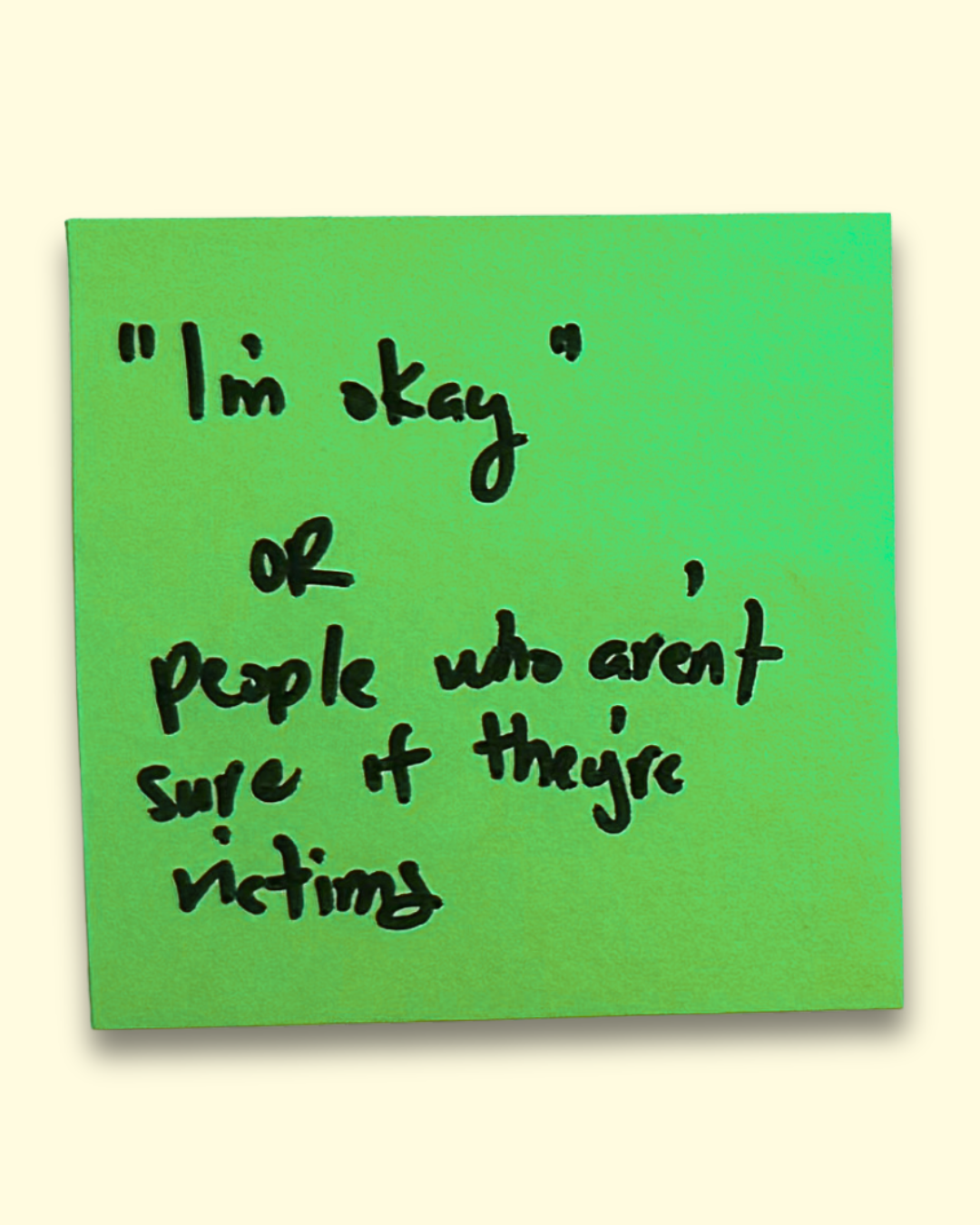
Many vulnerabilities are invisible. A child may seem okay from the outside, but on the inside feel neglected and be longing for affection or for someone to take their worries seriously. T
raffickers exploit these unaddressed needs.
In collaboration with Red Sand Project and illustrator Nick Ogonosky, we developed a series of illustrated visuals paired with messaging that examined how vulnerabilities emerge in children’s lives. The images depicted the conditions traffickers often exploit: isolation, instability, unmet emotional needs, and a lack of belonging.
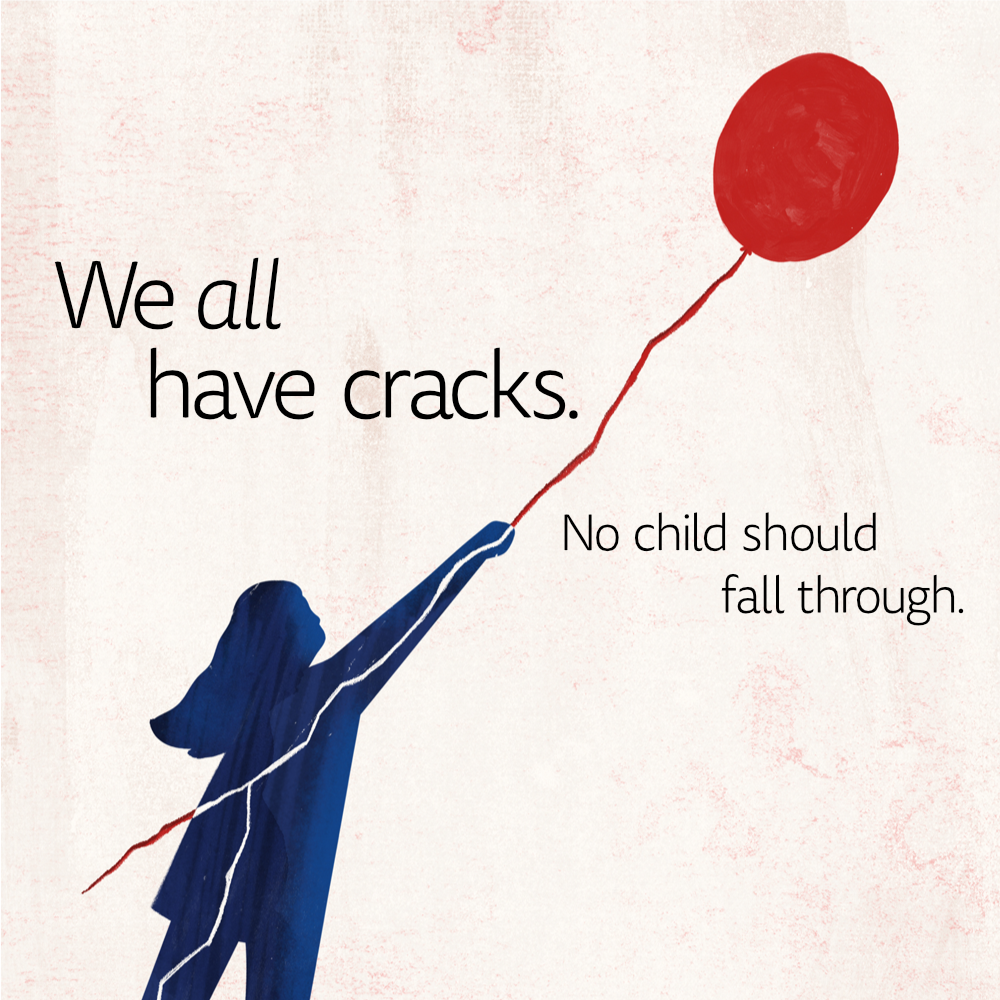
In the social images, one child walks gingerly on a tightrope, one gently blows dandelion seeds, and another holds a balloon slightly askew. The images ask viewers to look closer at the youth around them, demonstrating that even in play and child-like activities, vulnerabilities can be present and just out of view.
Throughout the month, we invited our community and corporate partners to share these images and engage in a broader prevention conversation: What does it look like to notice the cracks in a child’s foundation early? How can communities fill in the cracks and support our vulnerable populations? What does vulnerability look like?
The Discussions
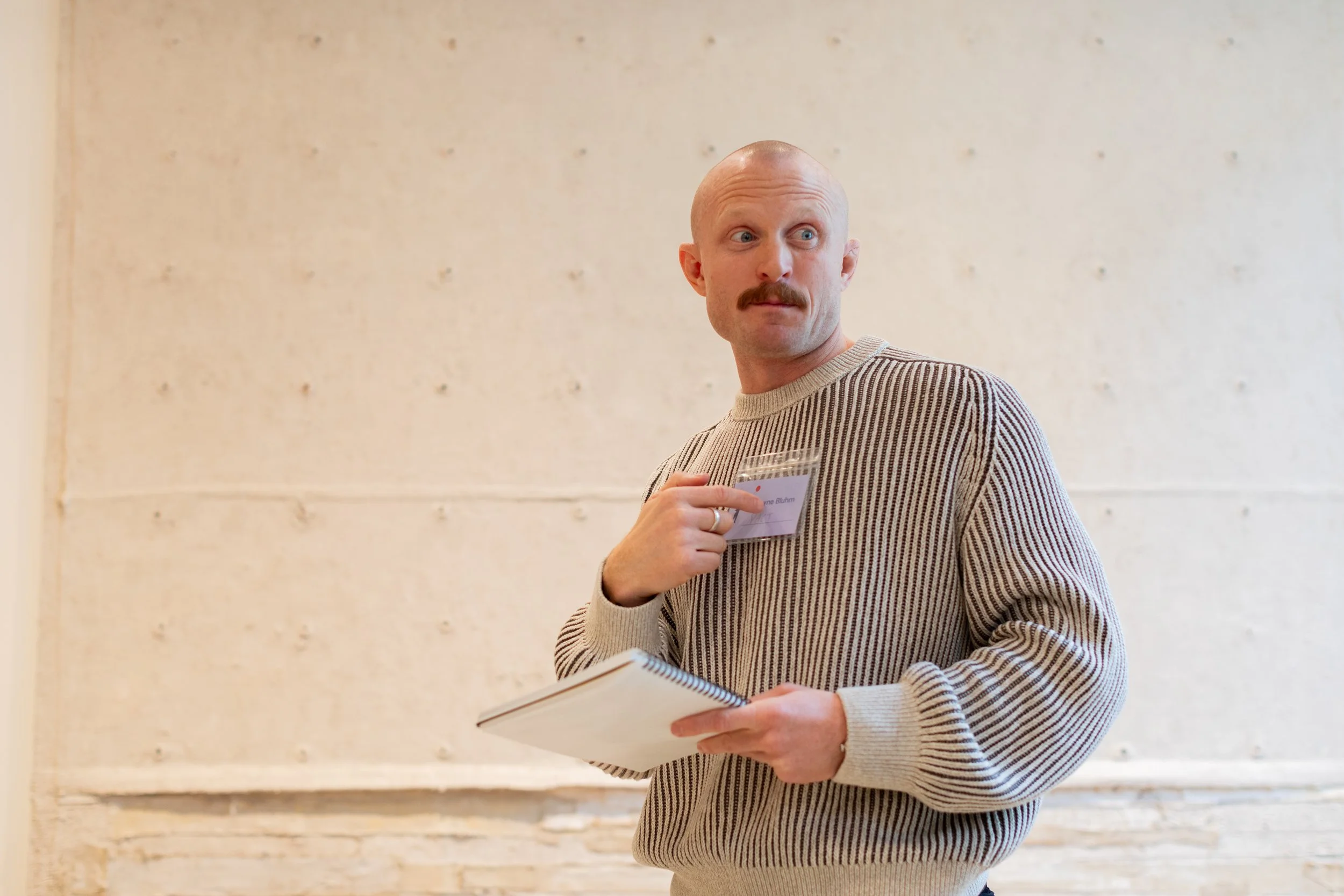
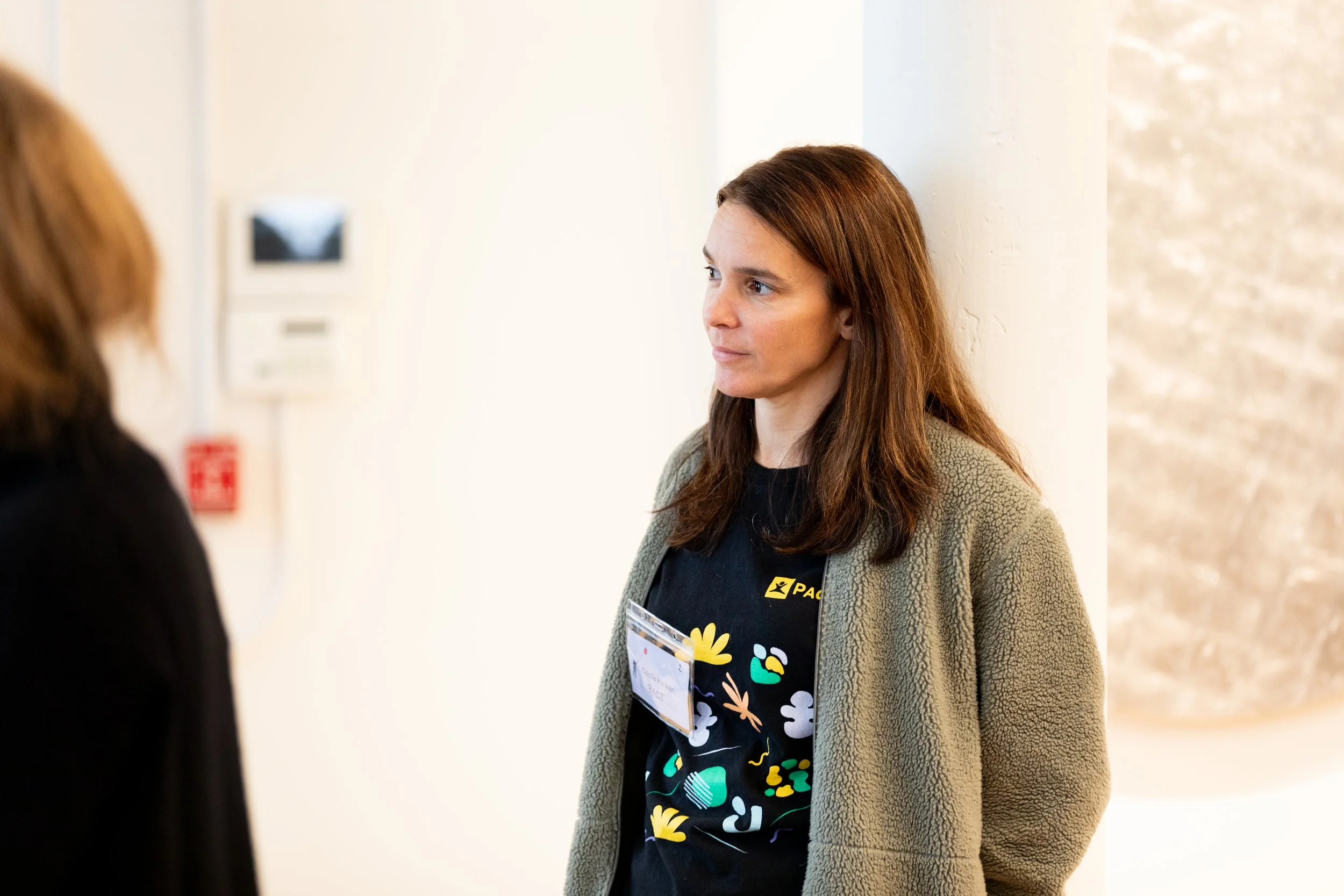
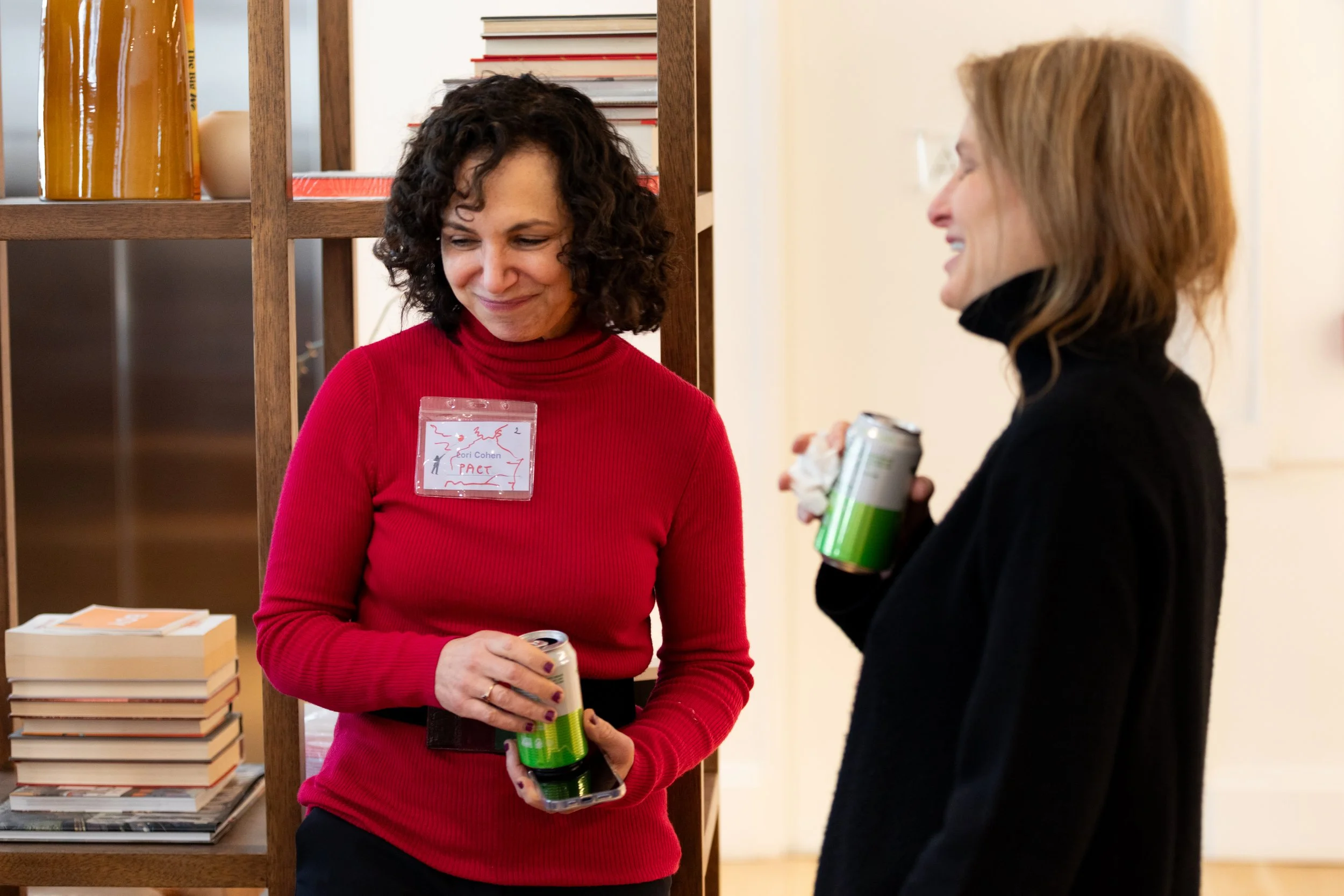
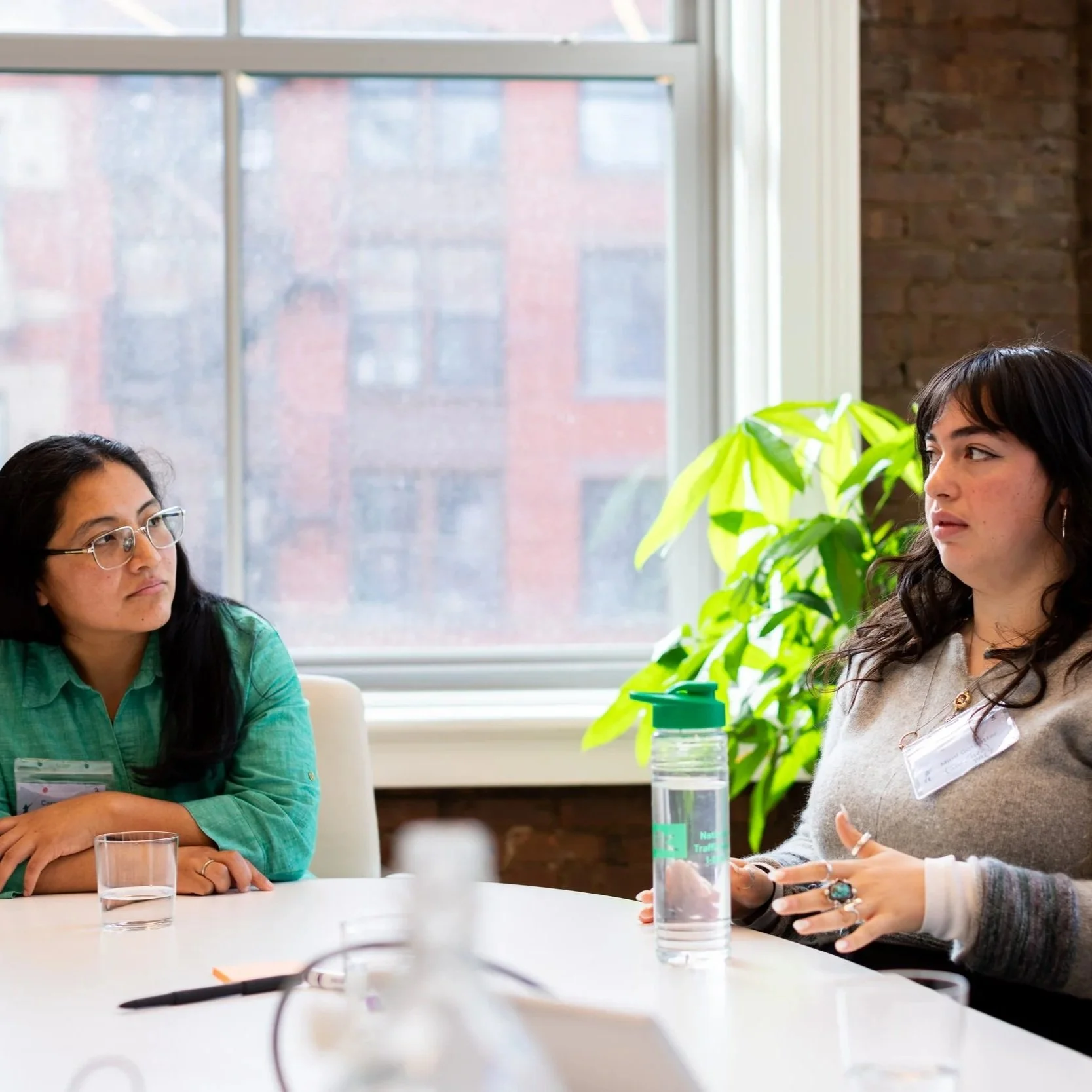
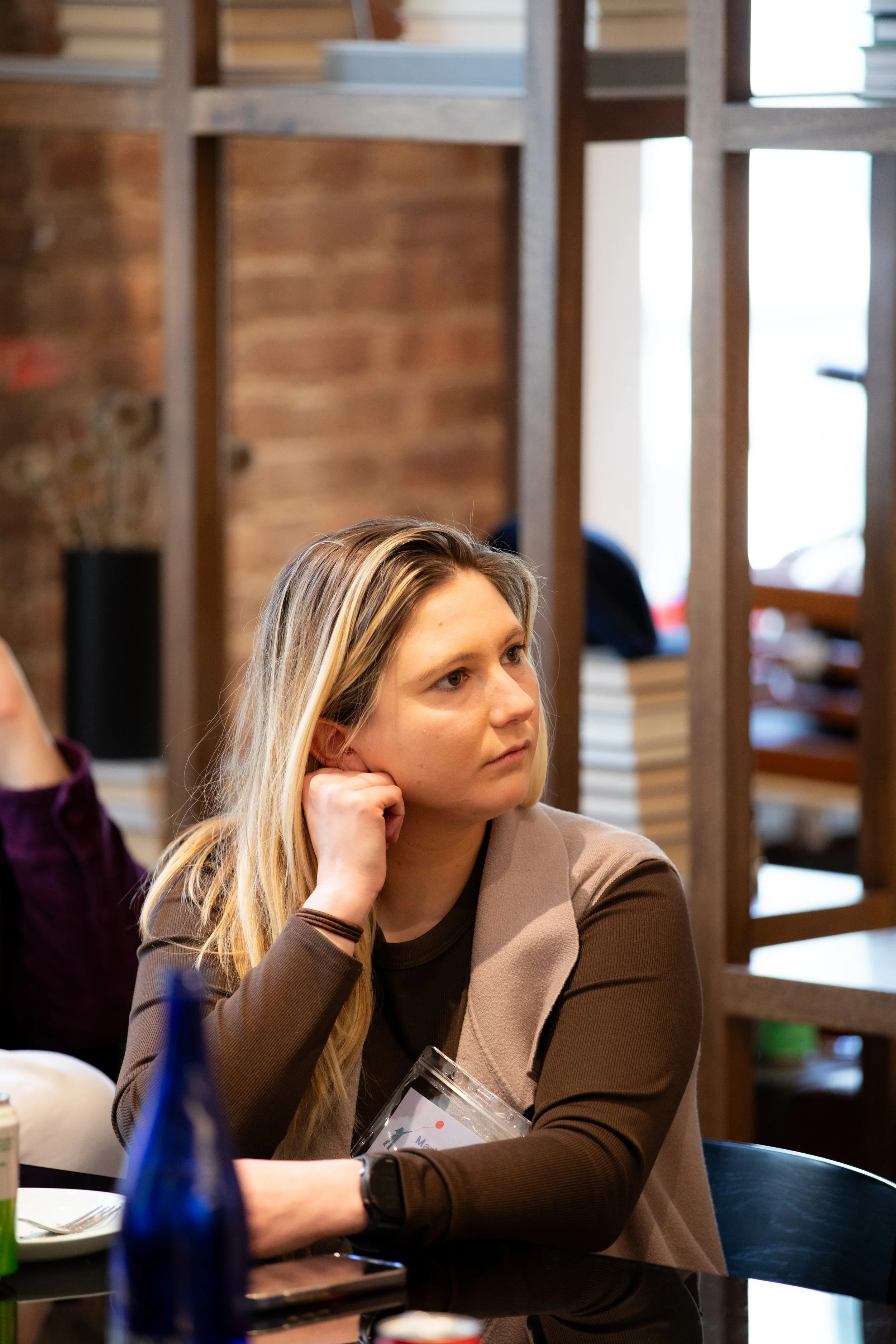
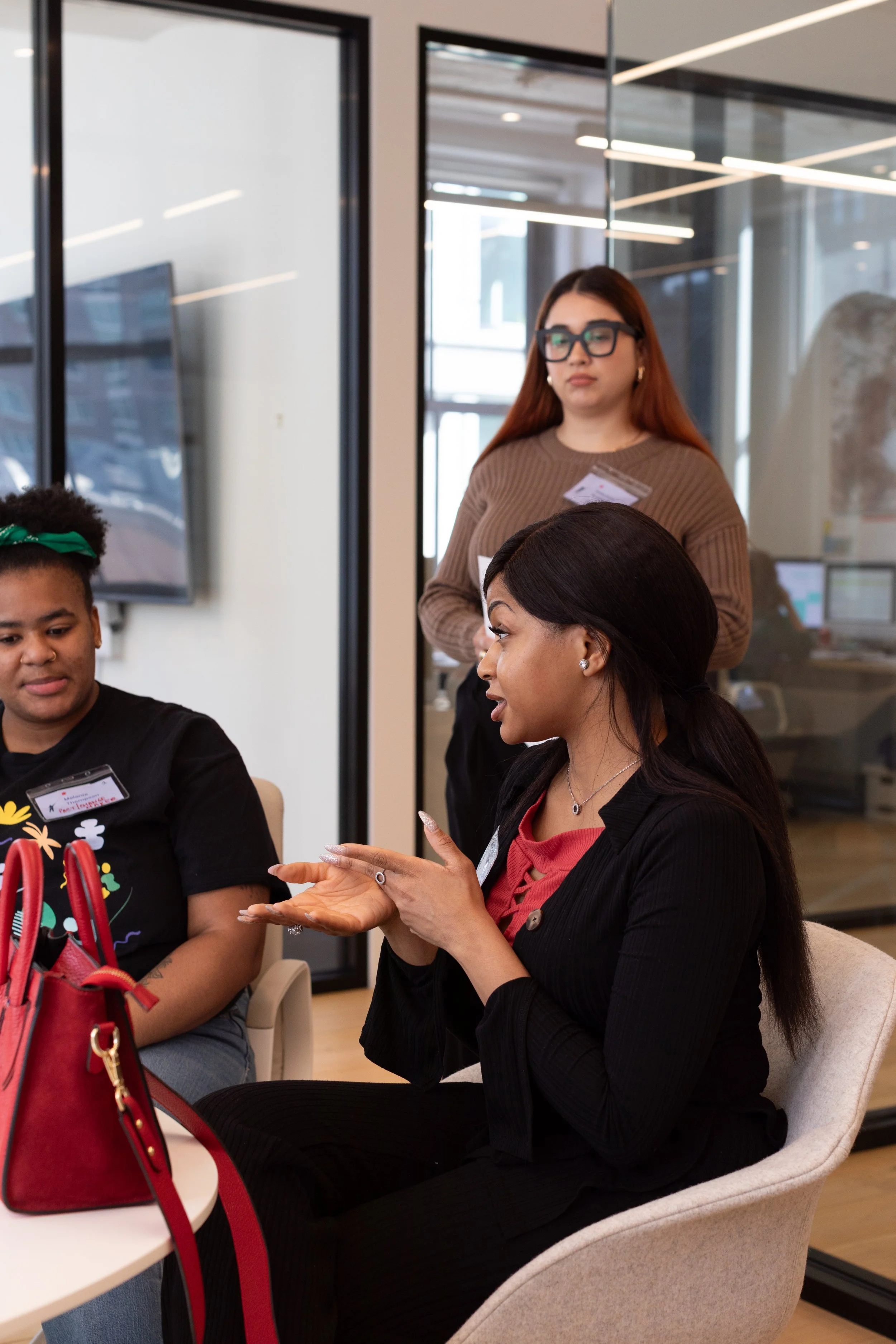
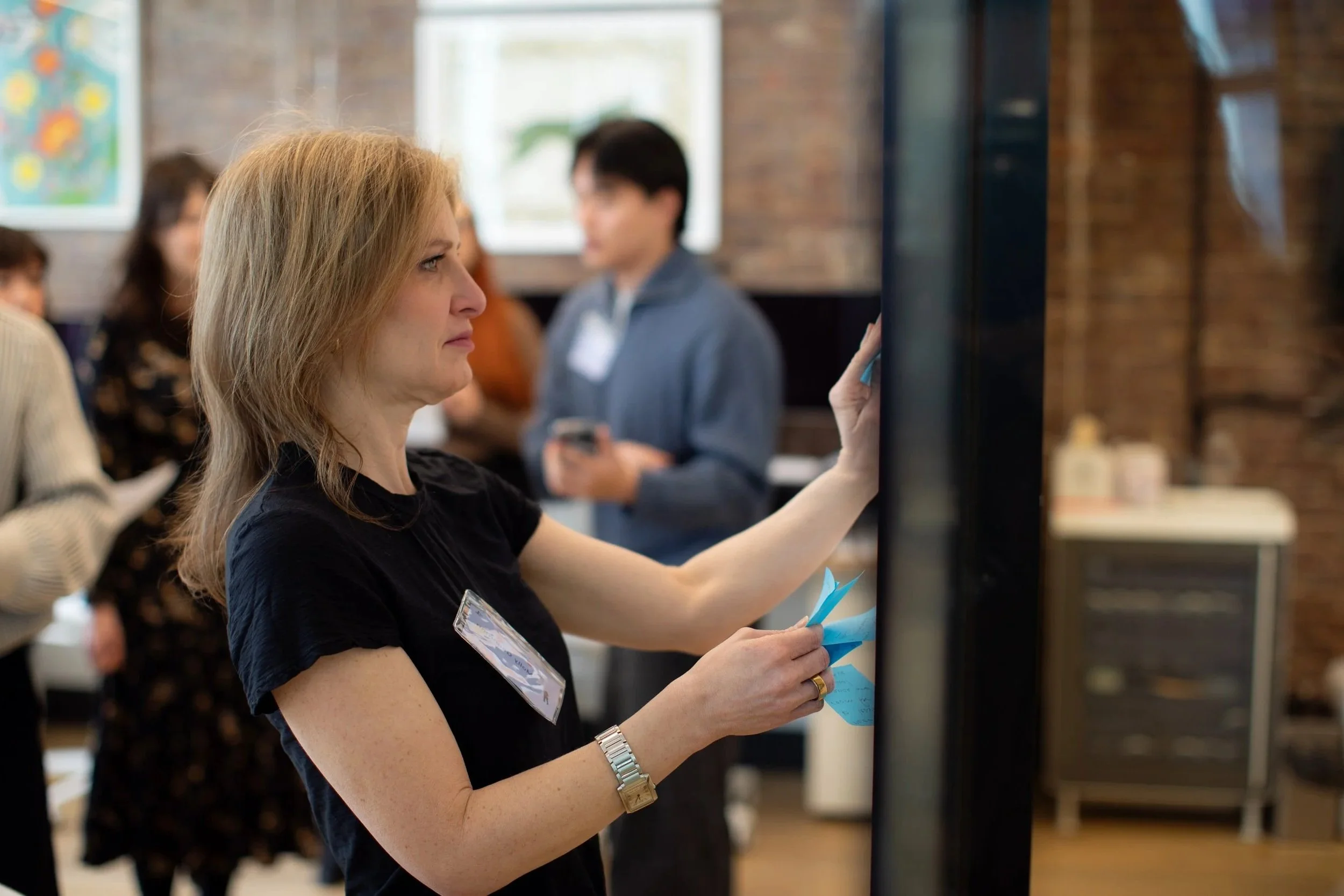
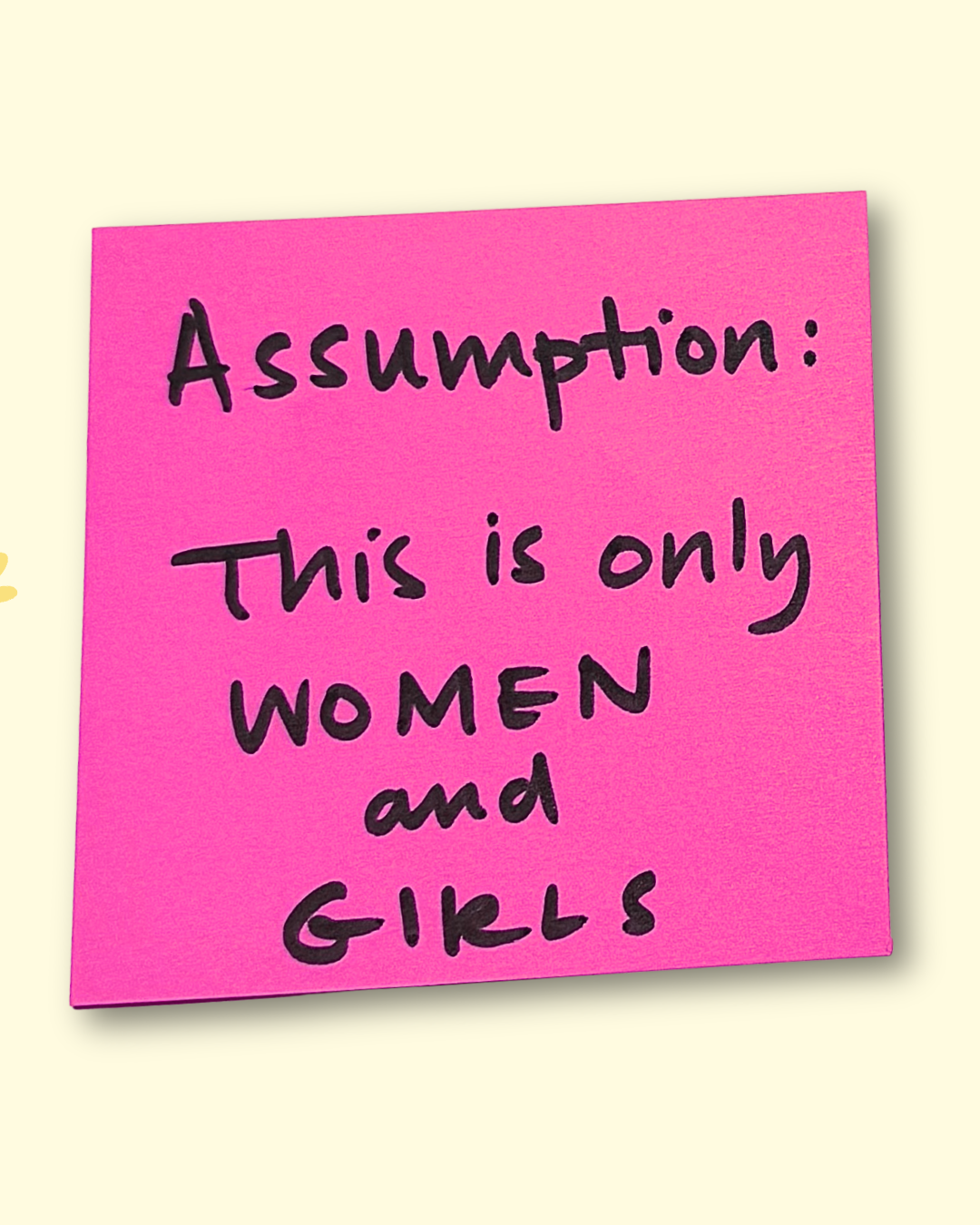
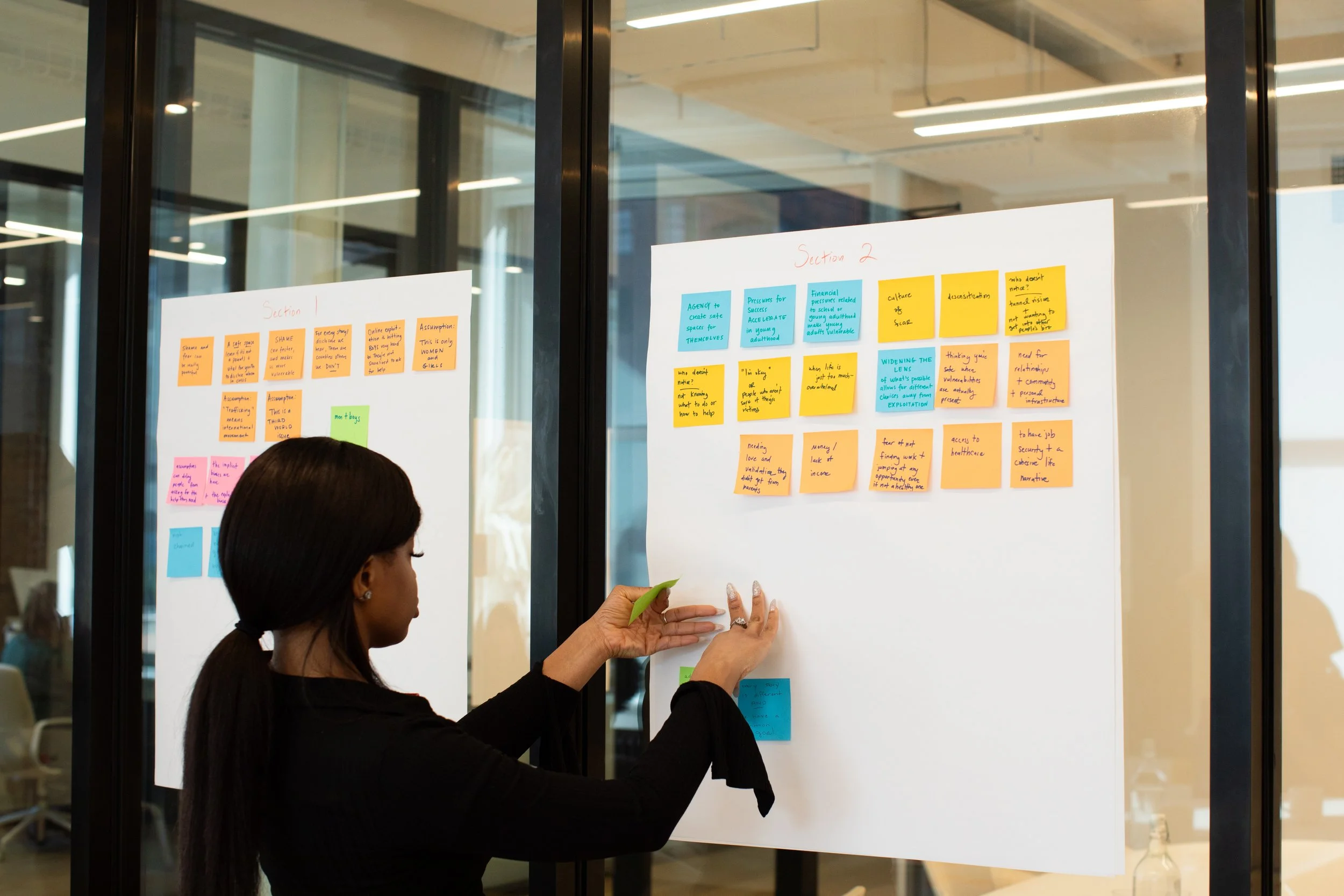
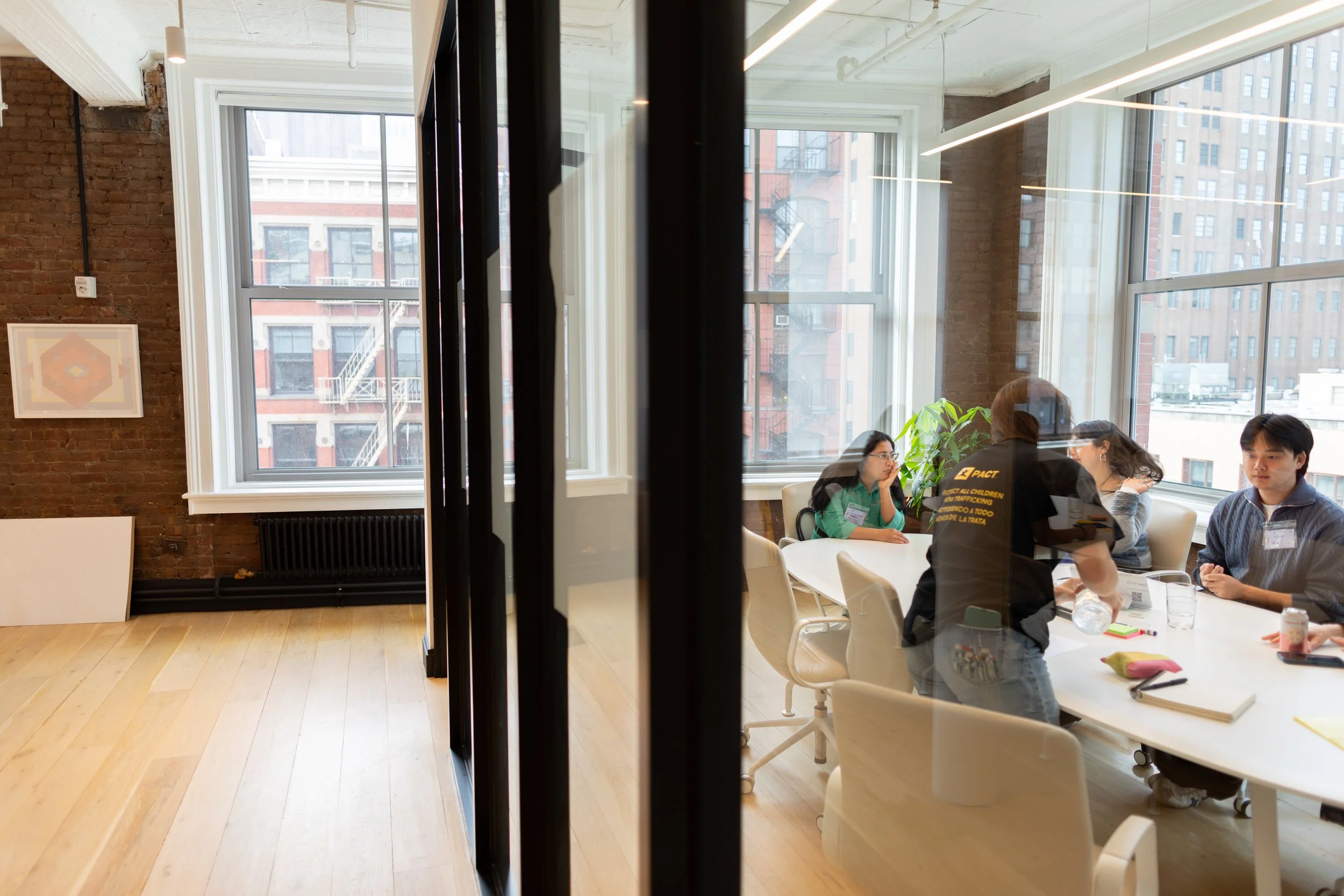
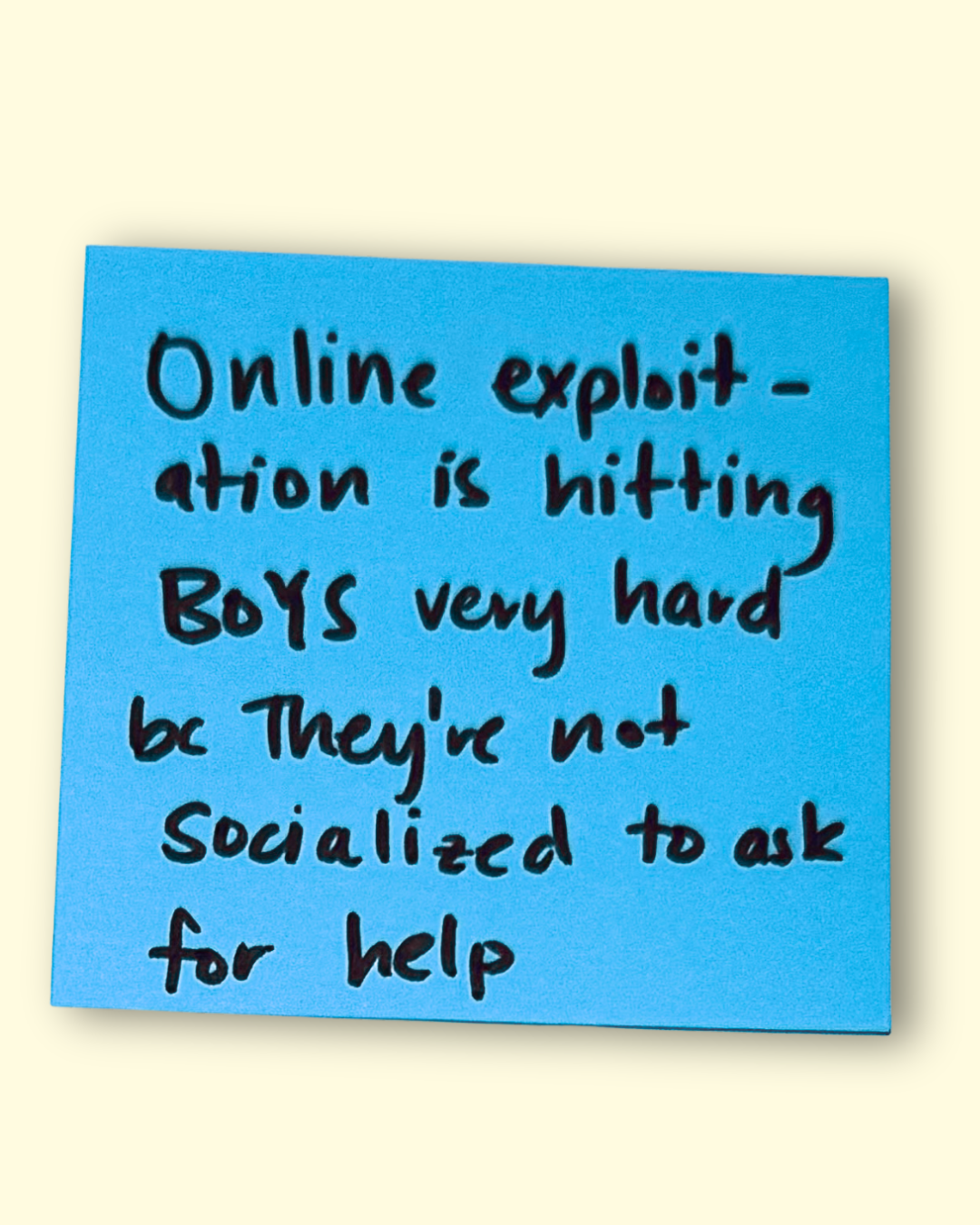
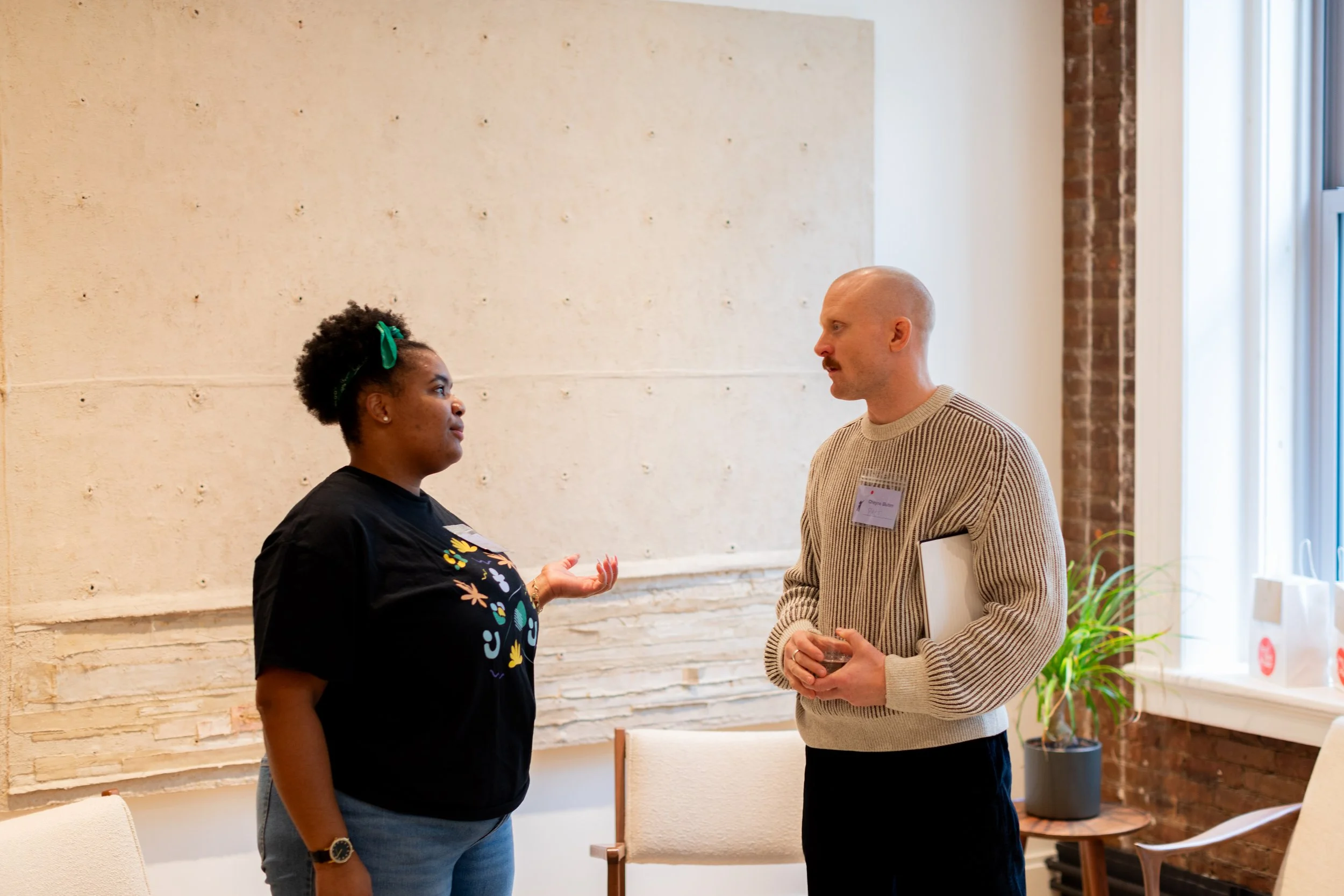
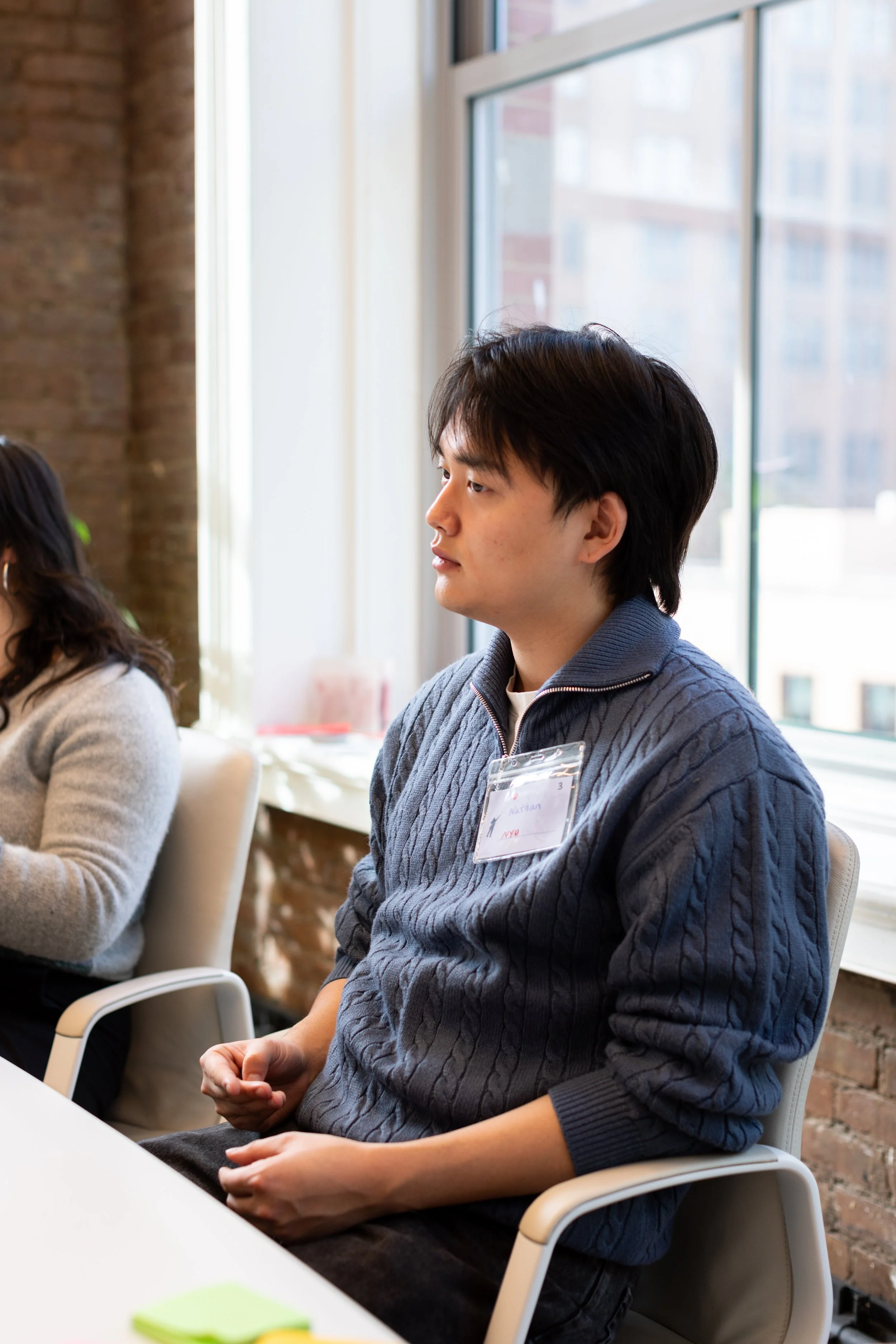
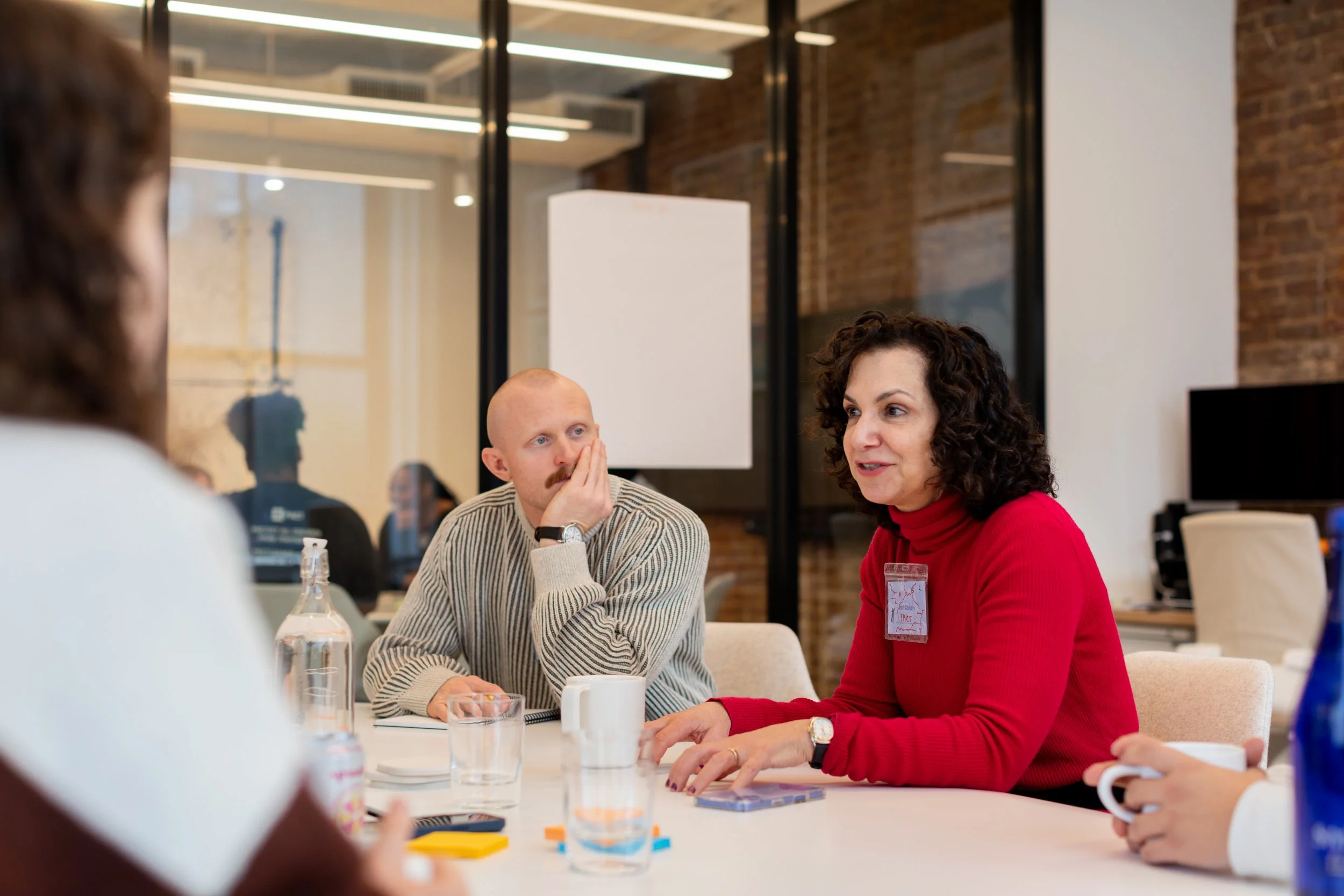
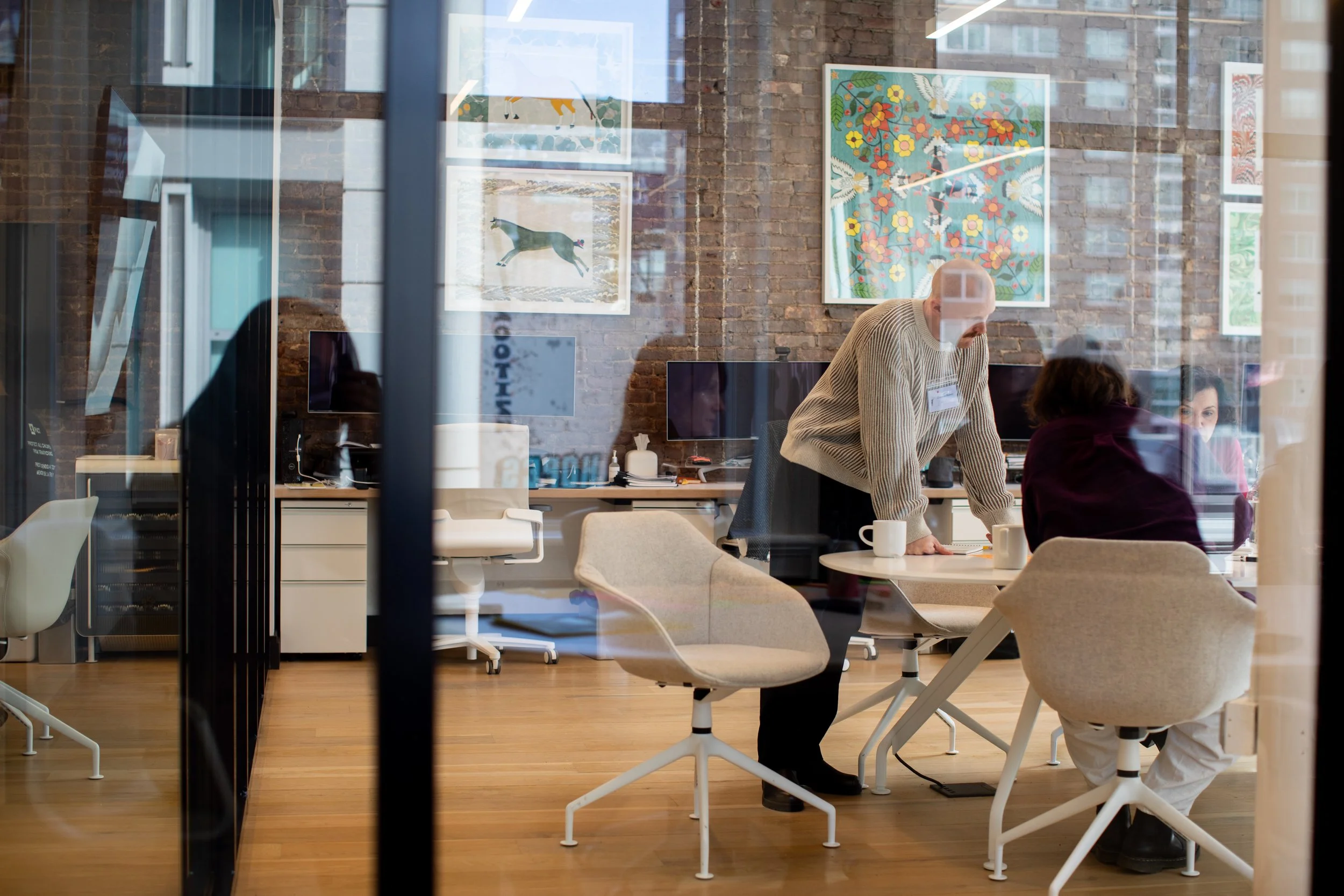
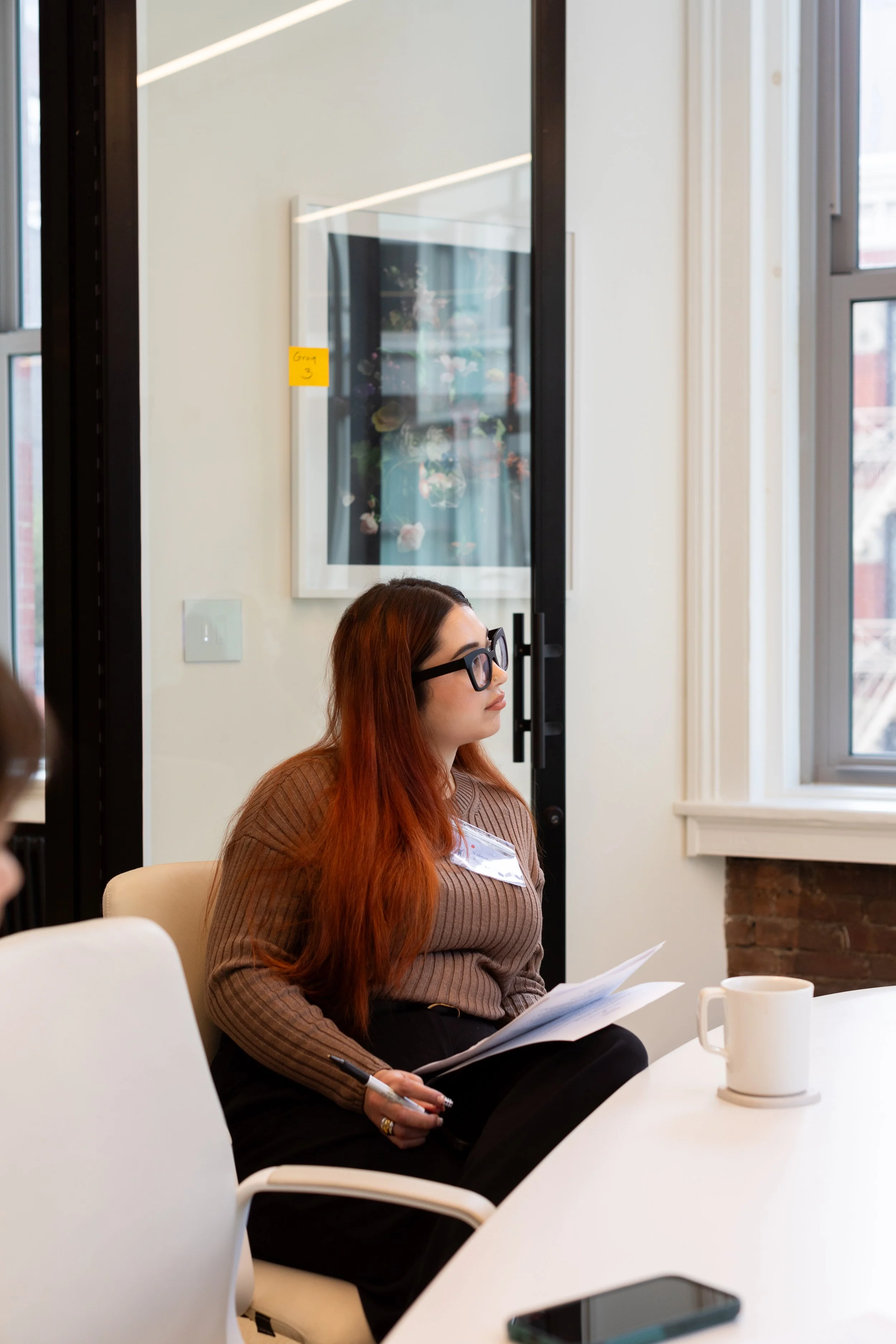
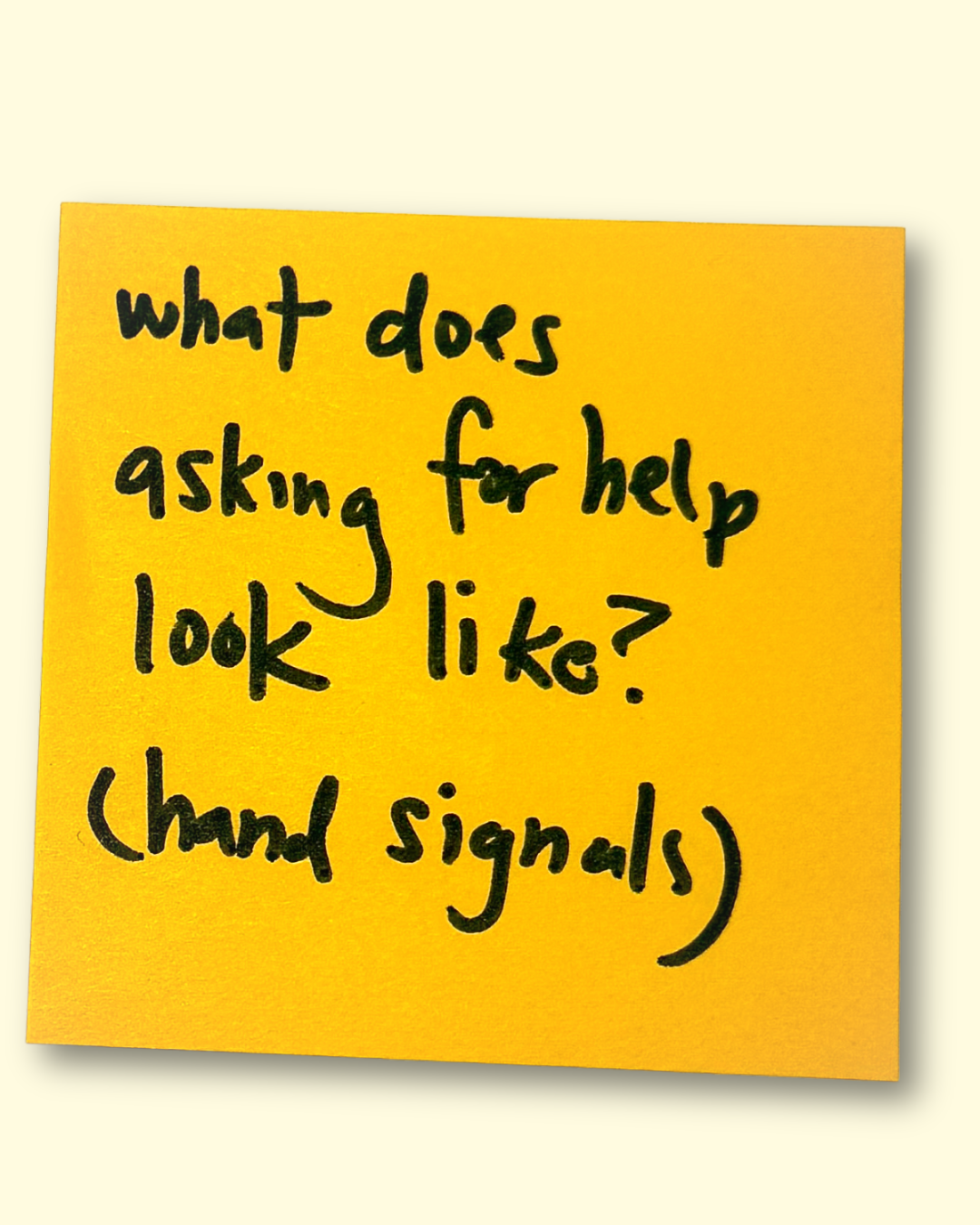
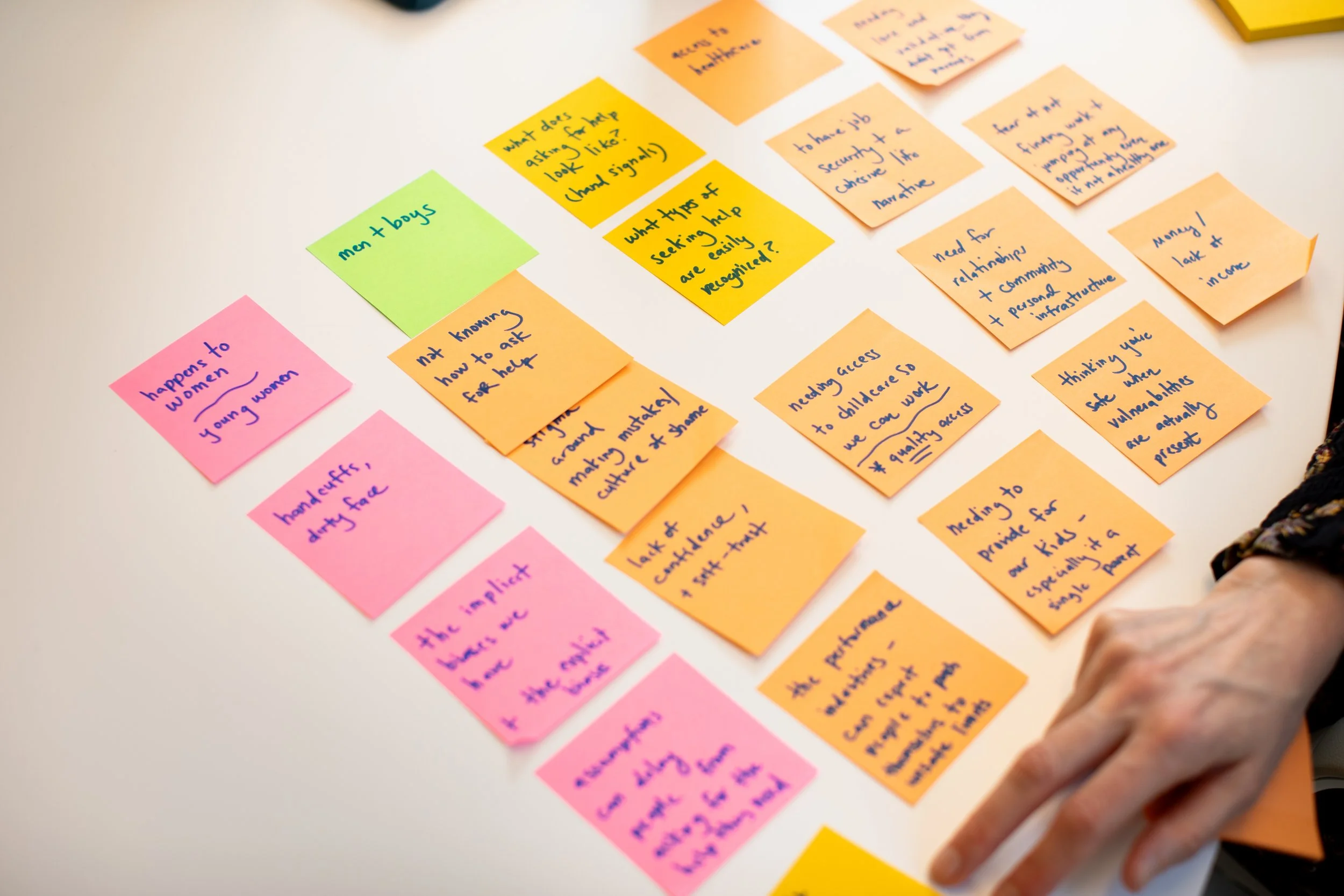
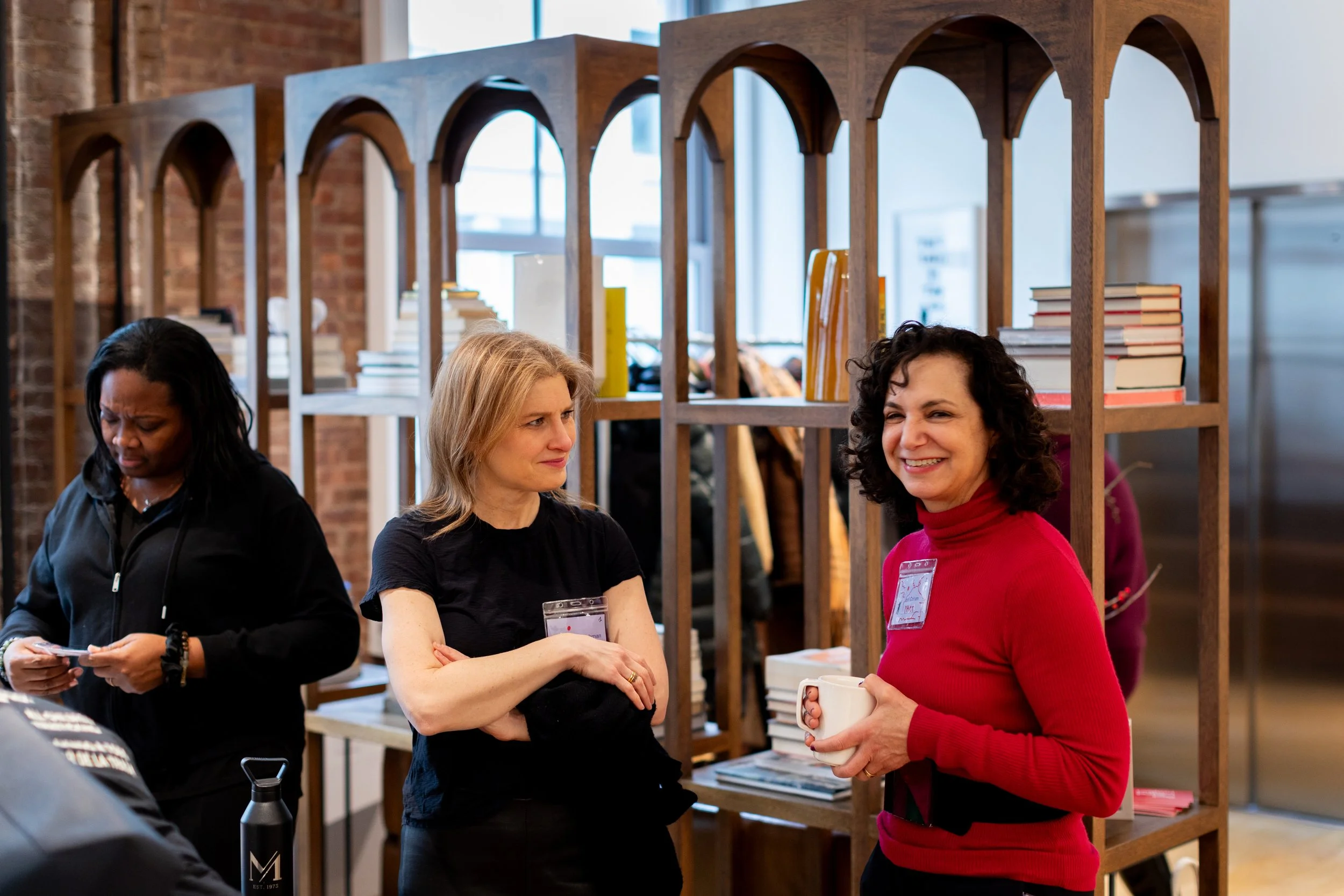
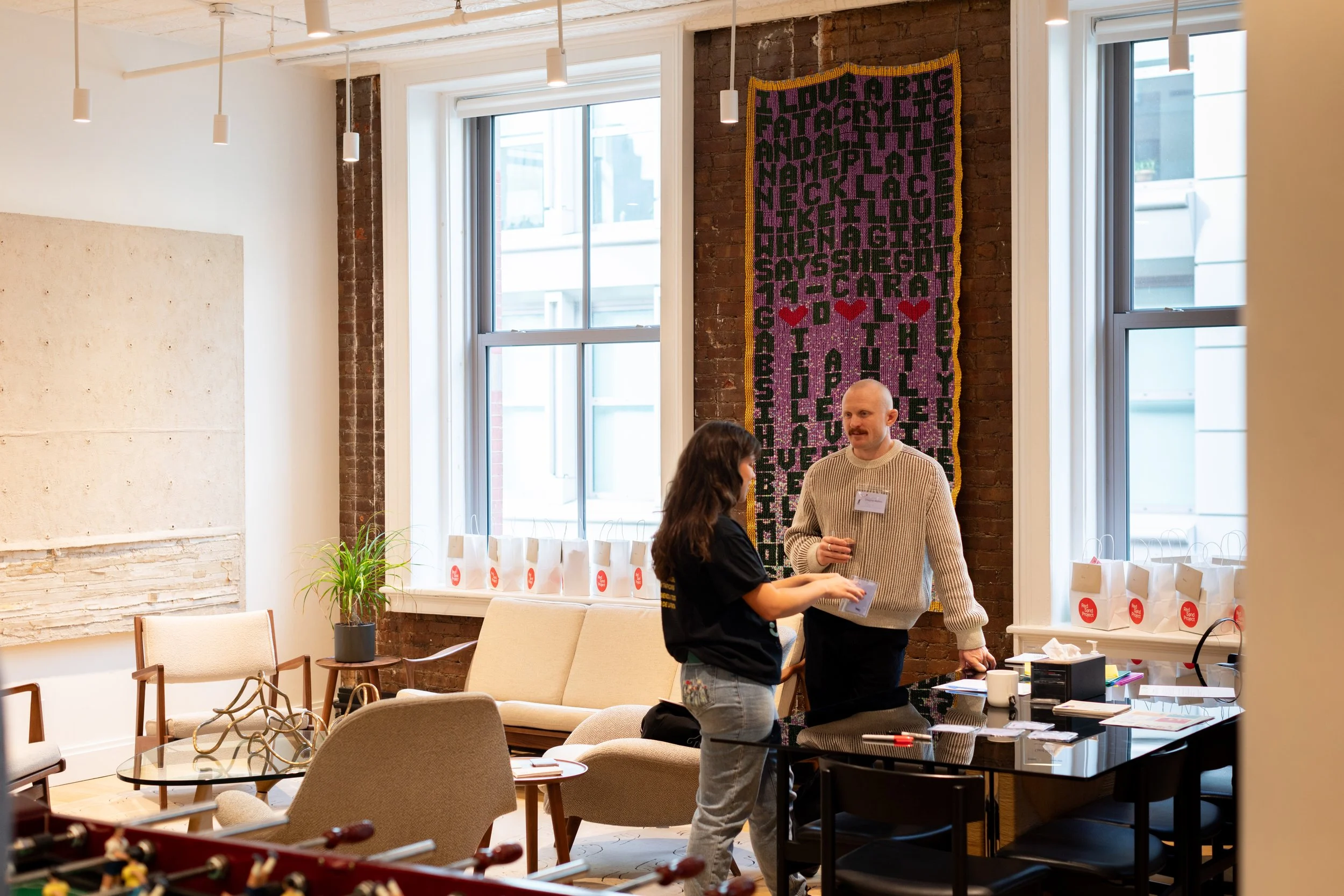
At the close of the month, Red Sand Project and PACT gathered advocates, youth, and survivors to discuss what vulnerabilities look like in different populations, and how traffickers exploit those vulnerabilities – the cracks in our foundations that allow exploitation to seep through.
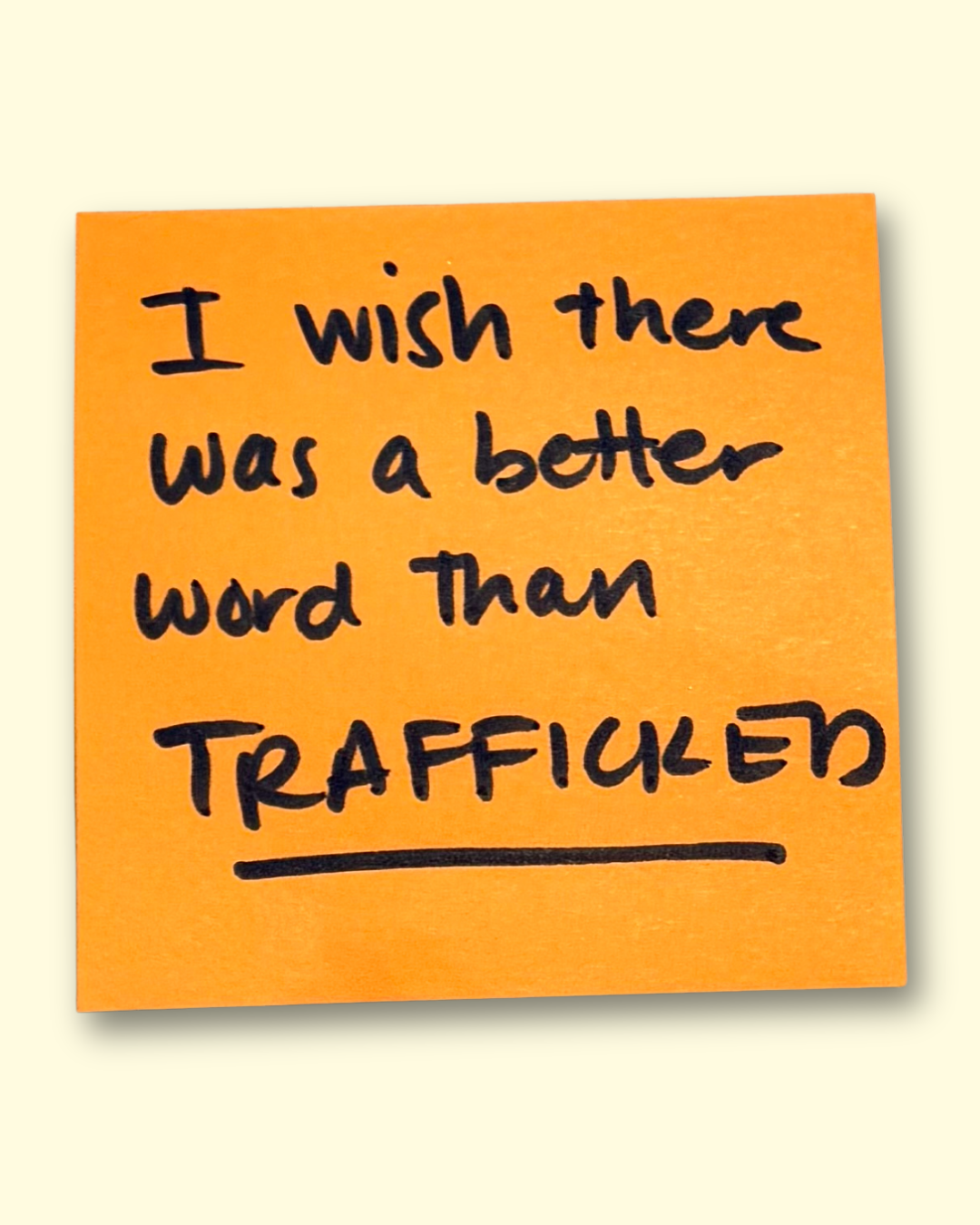
Through a discussion about vulnerabilities that can lead to trafficking, discussion participants were able to connect with each other in surprising ways, finding common ground where they least expected to find it. Difficult questions were brought forth, smiles erupted during unlikely yet welcome moments, and of course, the timer signaling the end of our breakout groups surprised everyone – because hadn’t we just gotten started?
The discussions reaffirmed that awareness and change must begin with connection. When we are able to slow down and listen, when we can see survivors and youth fully – not as statistics or stories, but as teachers and partners in shaping change, we are able to come up with more compassionate and effective solutions in trafficking prevention.
“Explaining this event to my friends and family, one thing I pointed out was that it showed the many ways we can respond to what we see in the world… Large scale symbolic art like Red Sand Project activations, intimate conversations about hard topics, or large-scale educational initiatives like what PACT takes on. All of these actions can be authentic and connect us to each other, giving us the information and motivation we need to create real change. How incredible! It feels special to have shared that with everyone that attended.”
Photography by Katrina Lillian Sorrentino
Filling In The Cracks
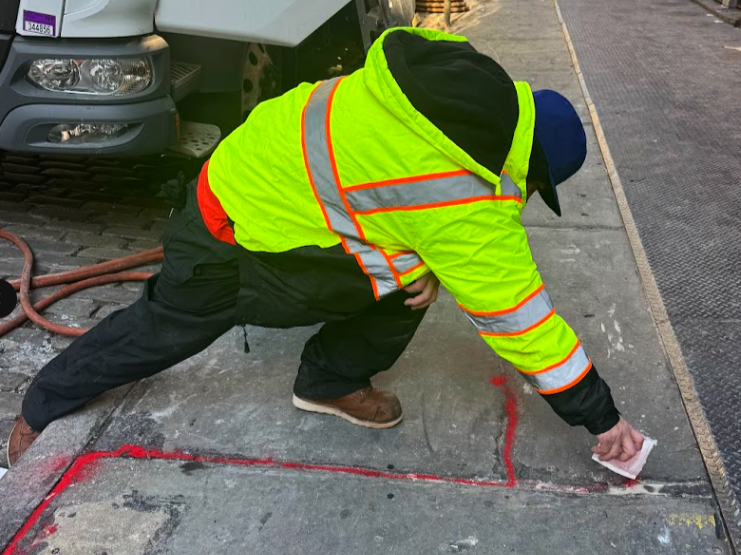
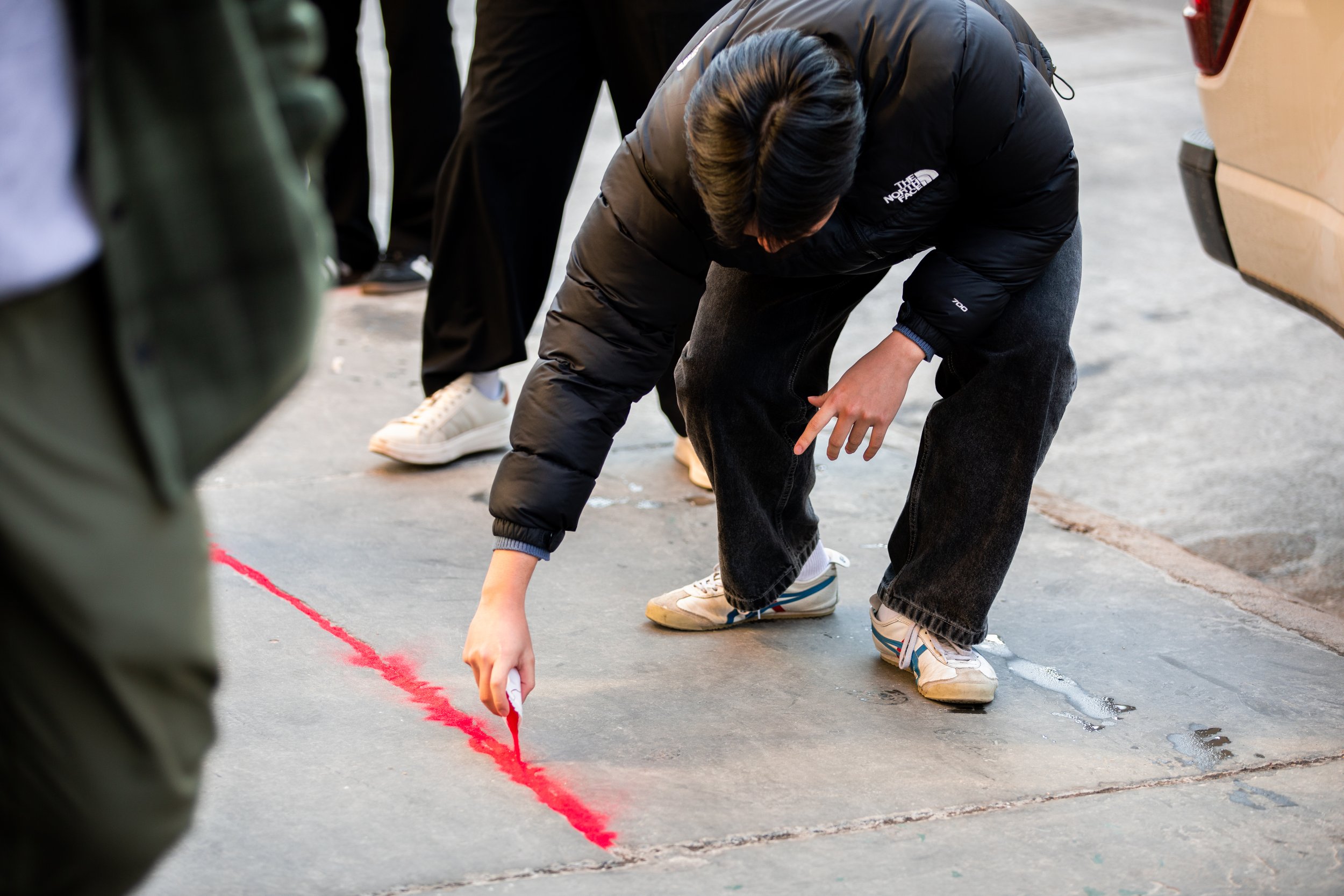
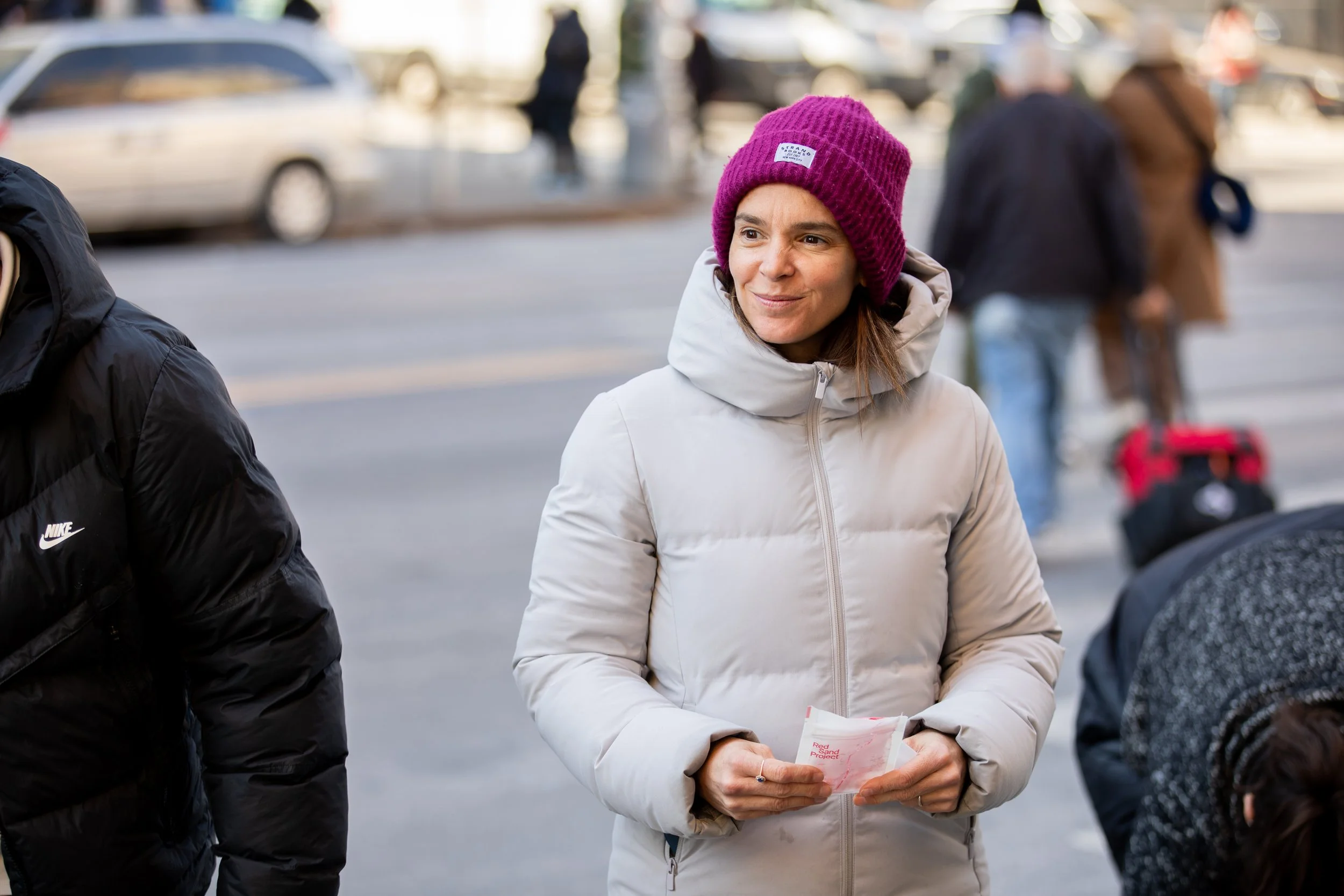
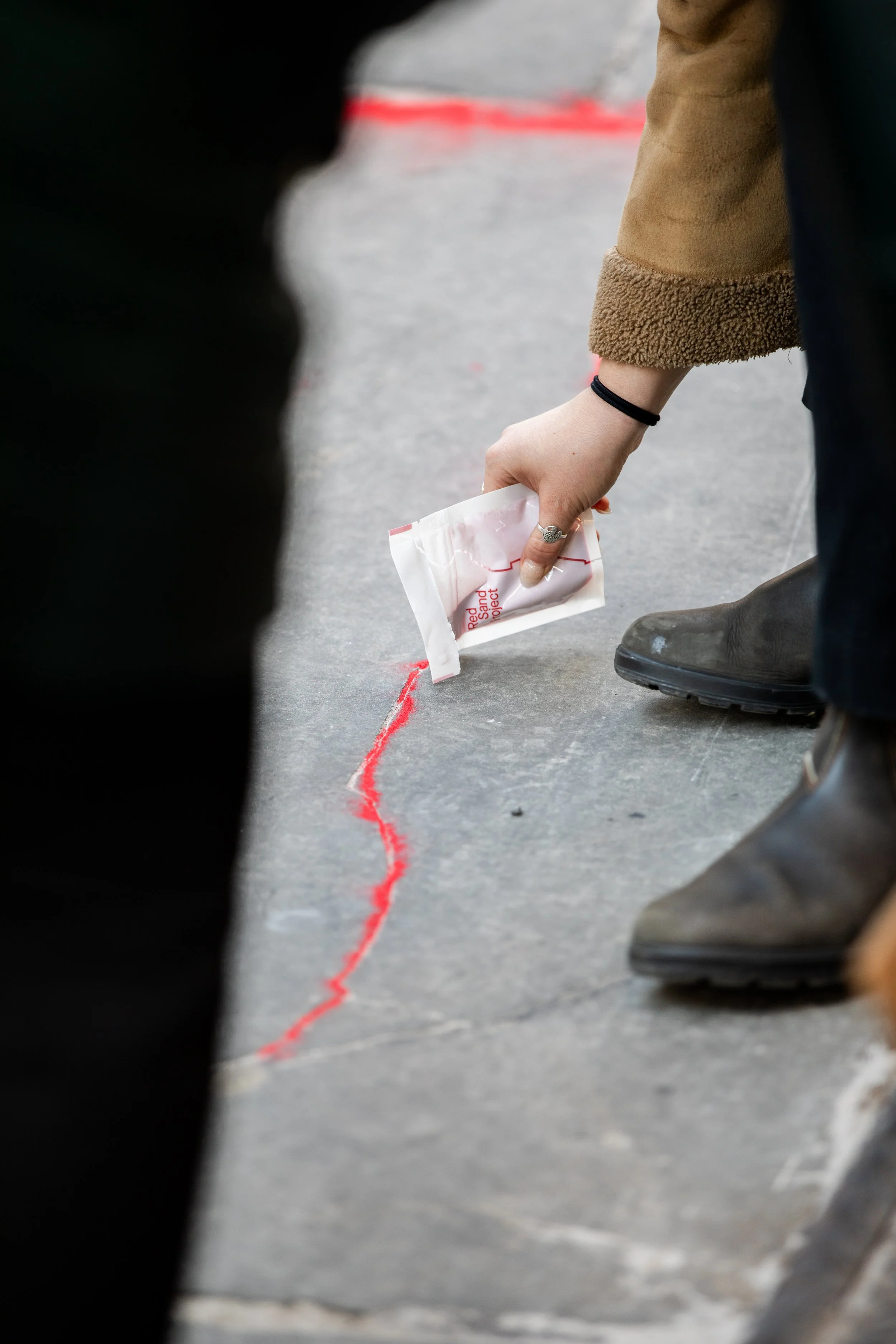
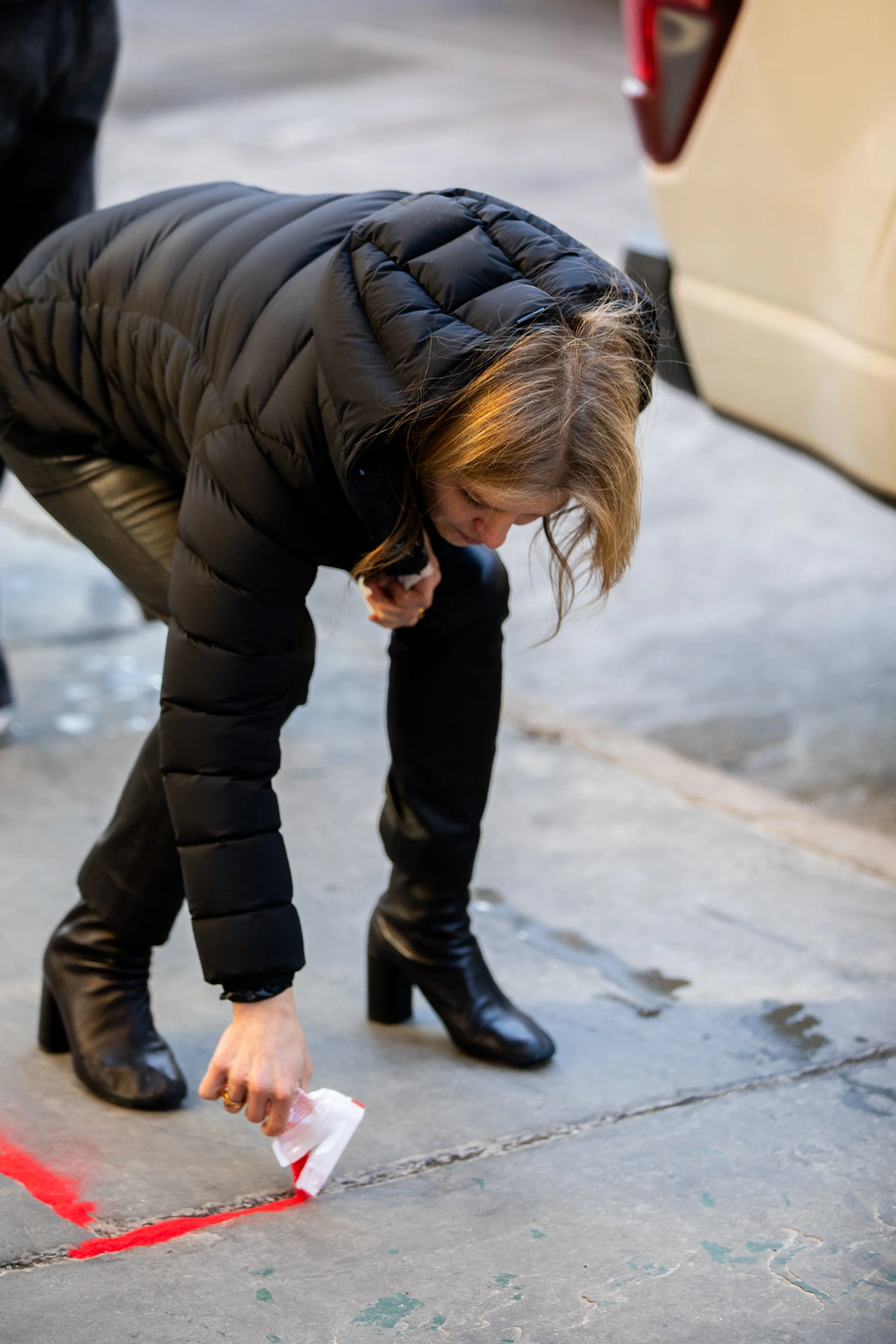
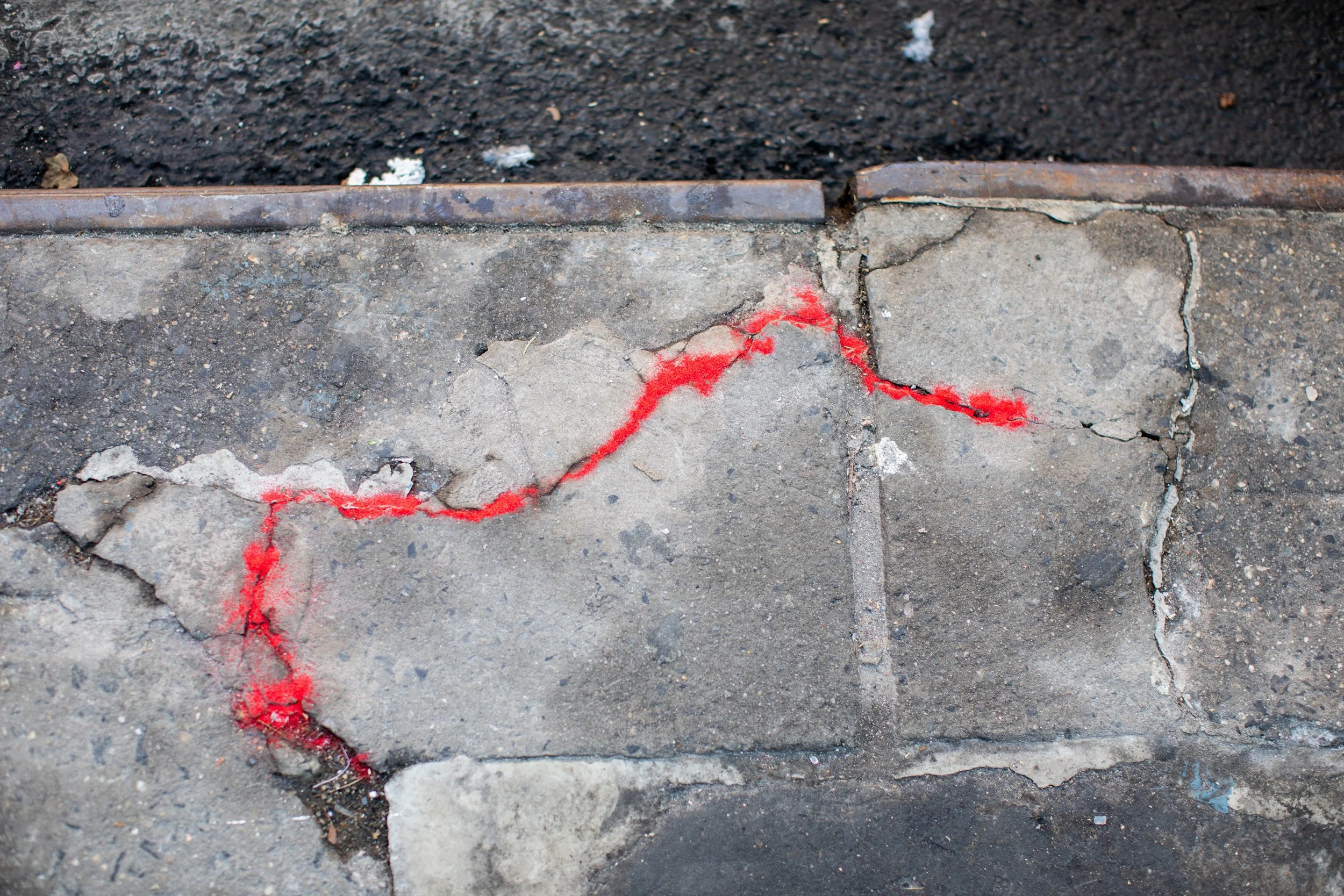
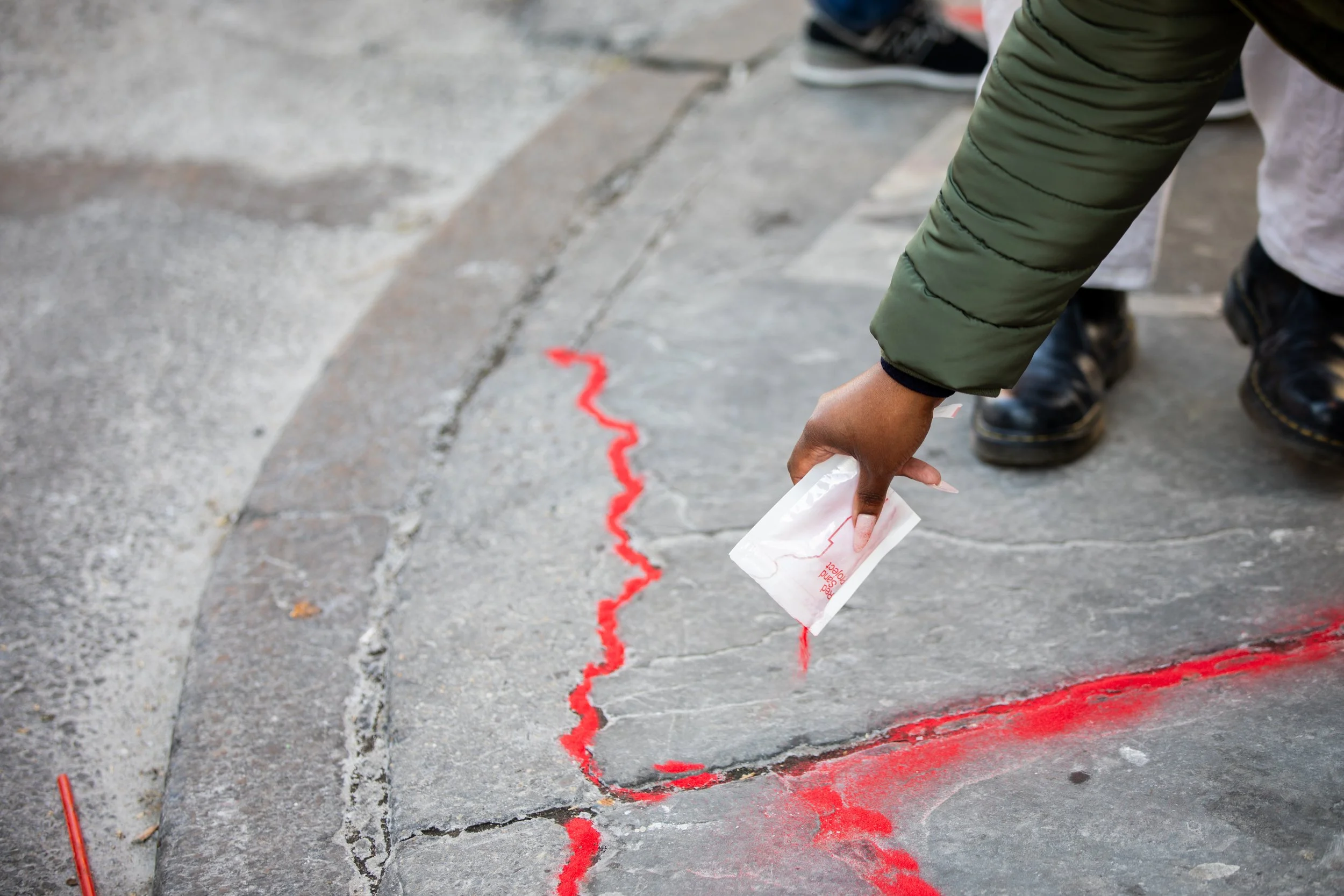
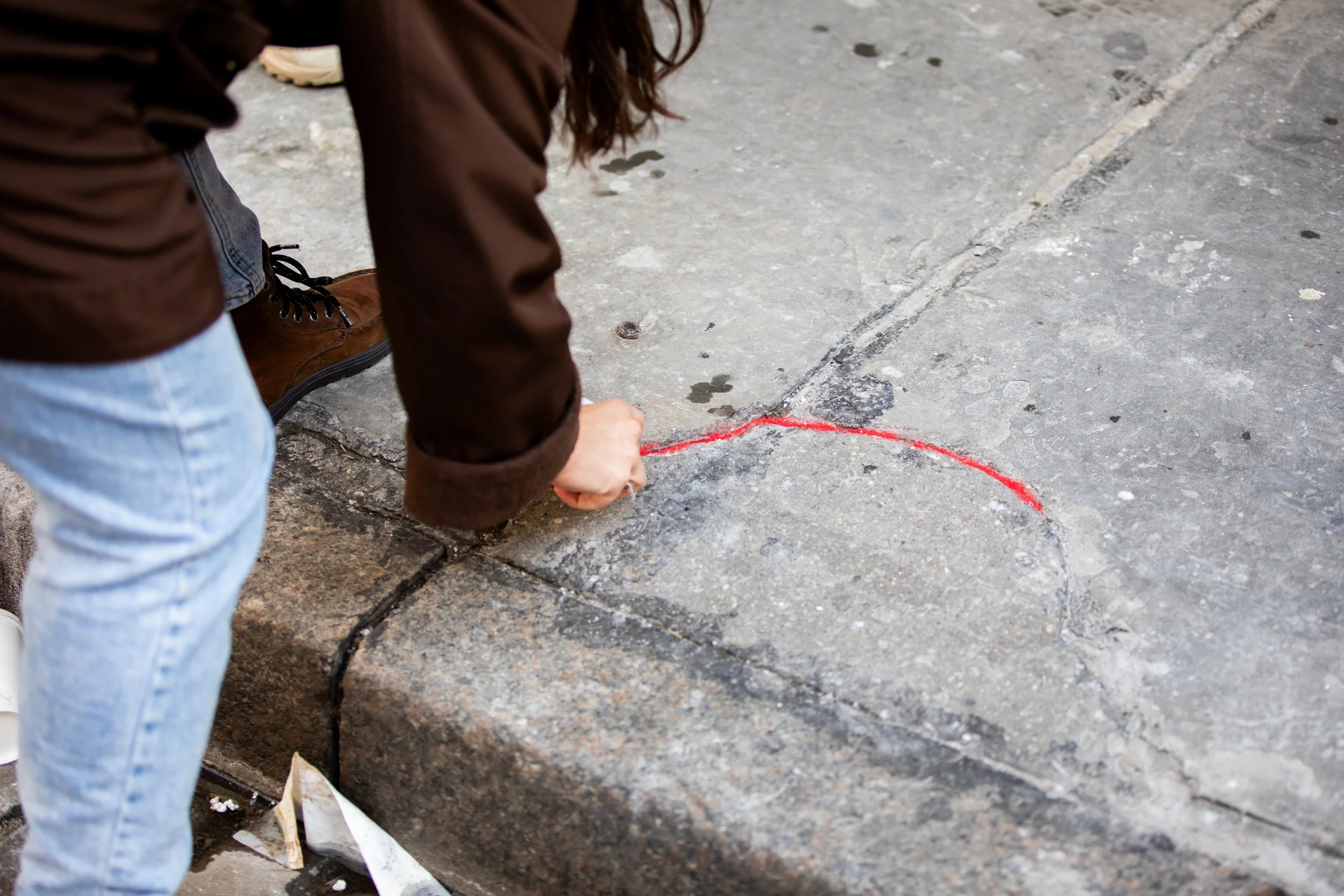
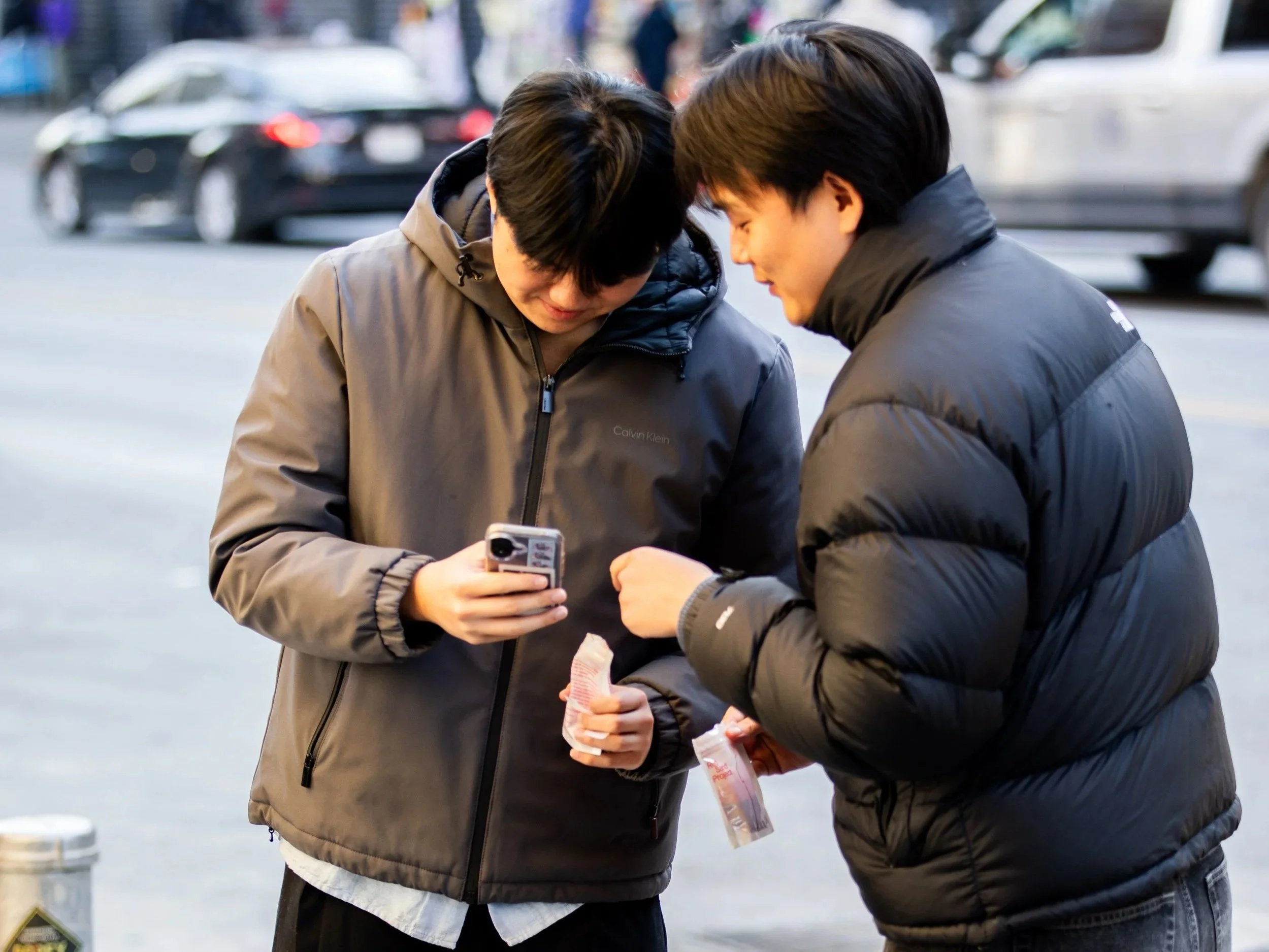
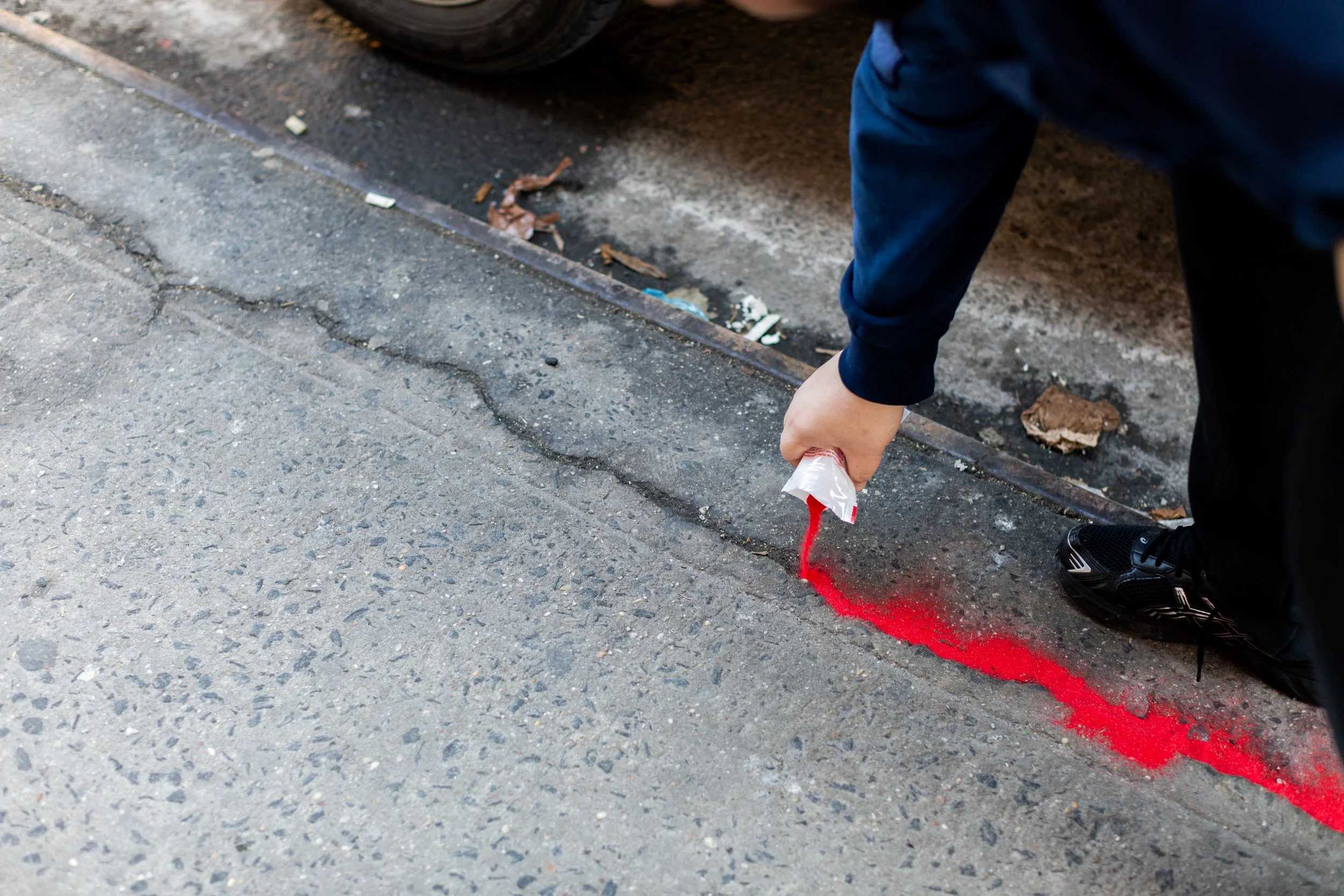
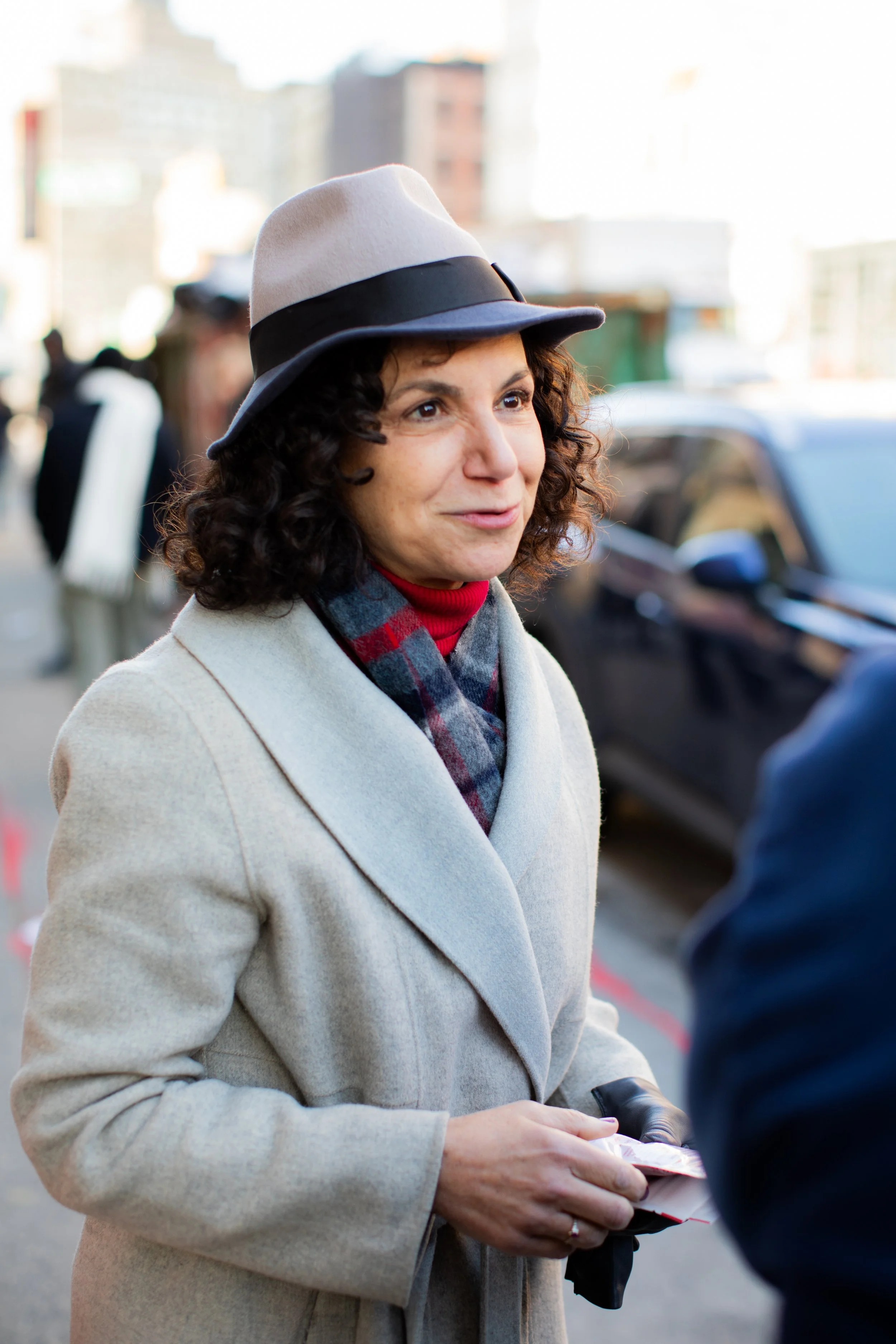
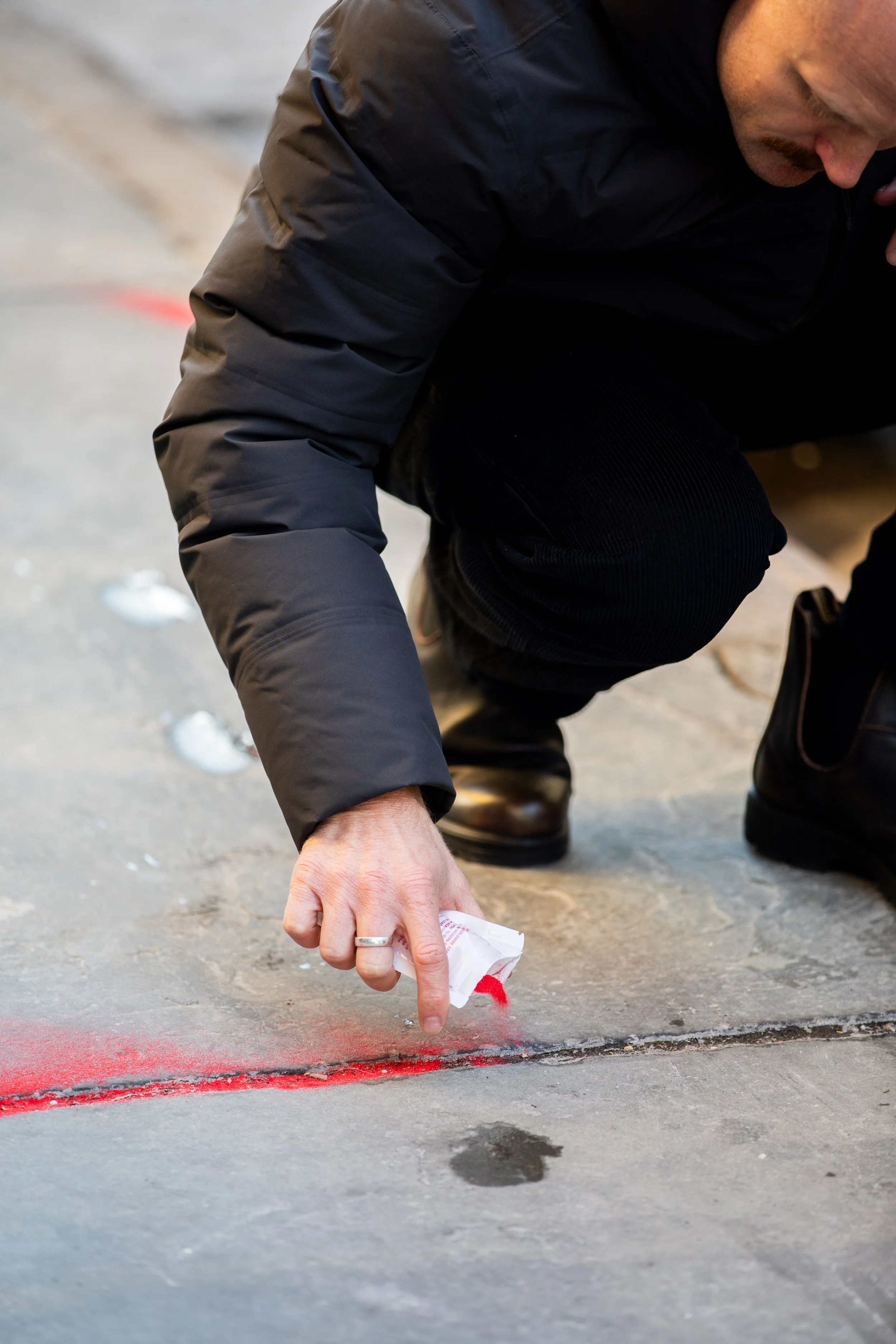
After our discussion, we all gathered to participate in a Red Sand Project activation on the cold New York City sidewalks.
Red Sand Project was created in order to bring awareness to those individuals who fall through the cracks—whether the cracks of our social, economic, and political systems or those of our personal consciousness. Founder Molly Gochman recognized that in order to bring more public awareness to the issue of modern day slavery and exploitation, she needed to engage the public directly – so the Red Sand Project’s participatory sidewalk installations using their symbolic red sand was born.
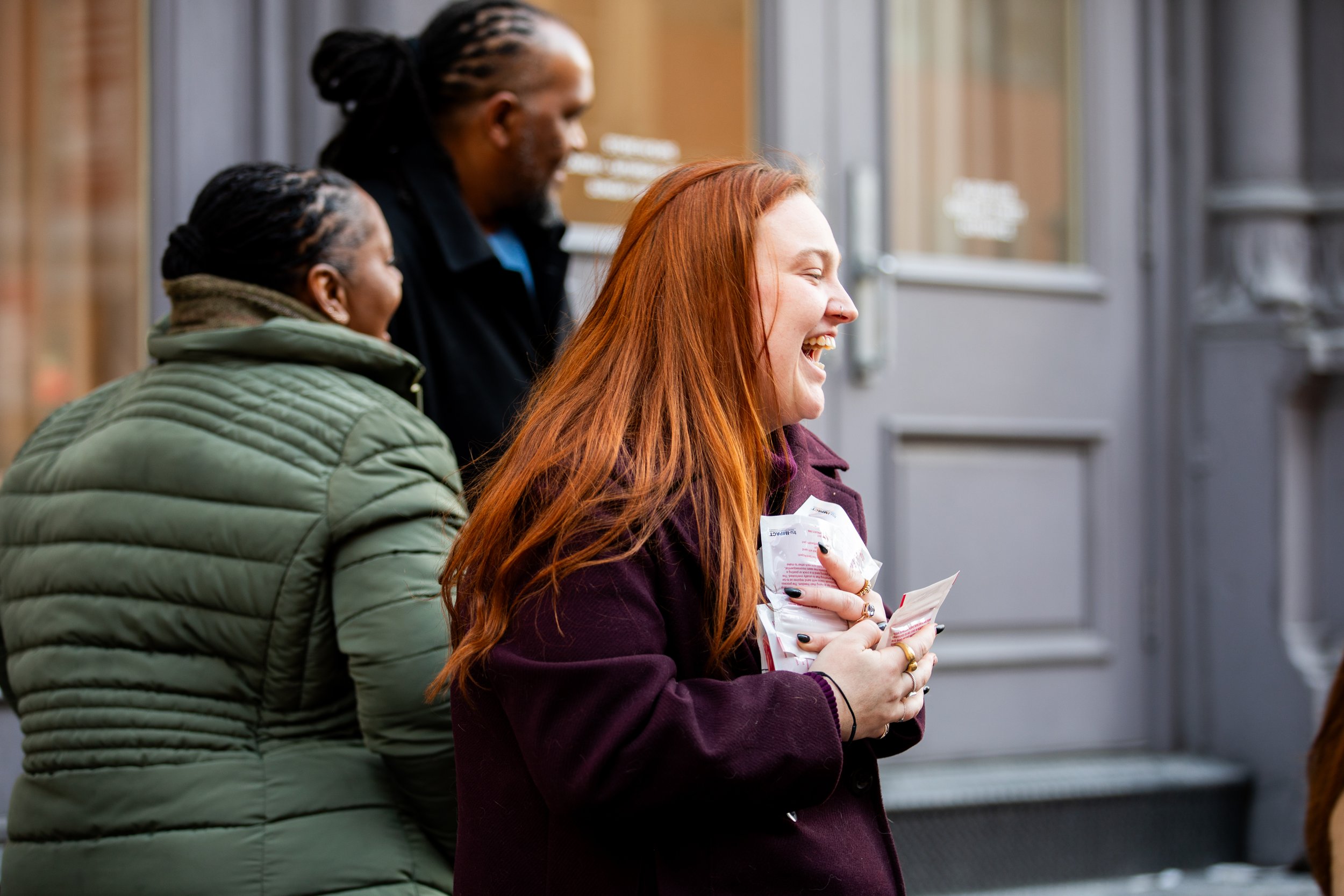
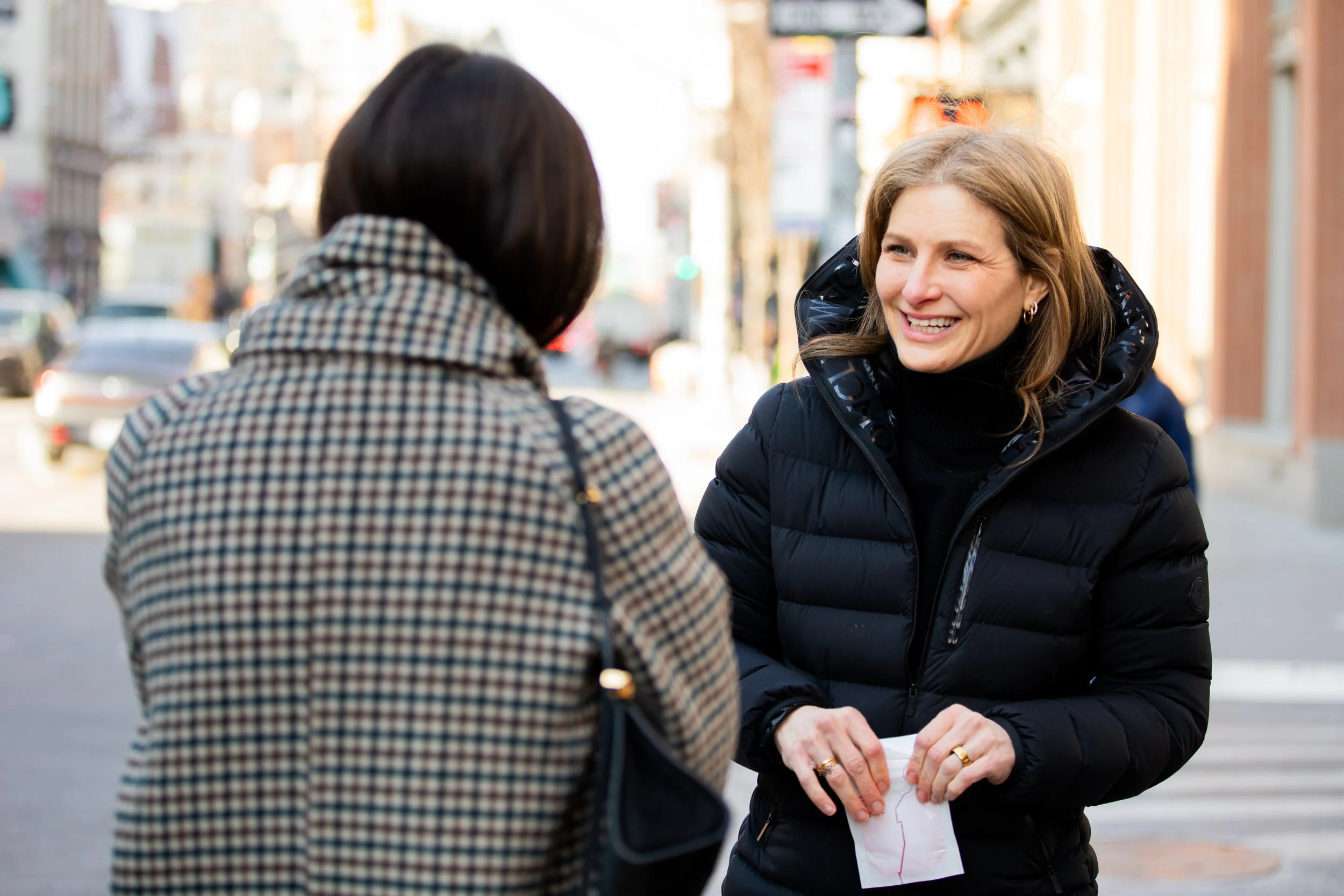
While participants poured red sand into cracks, curious passerby asked to participate and learn more about what we were doing. Members from Red Sand Project said that’s always what happens, and that that is the whole point of the sidewalk installation – to make people stop, take notice, and learn more about modern-day slavery, trafficking, and exploitation.
Photography by Katrina Lillian Sorrentino
By the end of the activation, we had made friends and advocates out of strangers. Nearby construction workers who were initially skeptical of the scope of our operation ended up participating and even asked to take red sand home to their children.
Together, we can build a world in which no child is ever bought, sold, or used for sex.
“Sitting on the train and reflecting quietly on today... just wow. Seeing the street sidewalk cracks with red sand is such a strong reminder of the stories we don’t always see, but are always there.
Today feels heavy and holy at the same time. Today felt like being heard and being seen and I remembered why I shared my story in the first place. When you get lost in the hustle and bustle of work and training and life, you forget to take these moments to remember just how far you’ve come. I’m lucky I made it out. I’m lucky I get to stand here and say something, and I’ll never stop being a voice. Thank you so much PACT and Red Sand Project. ”