
What Decades of Advocacy Have Taught Us: Lessons from Women Who Shaped the Anti-Trafficking Movement
These women were creating trafficking prevention and survivor-recovery programs, partnerships and solutions long before trafficking was even recognized in public discourse.
Here are three lessons from women whose leadership continues to guide the movement.
Prevention Requires Partnership: Carol Smolenski
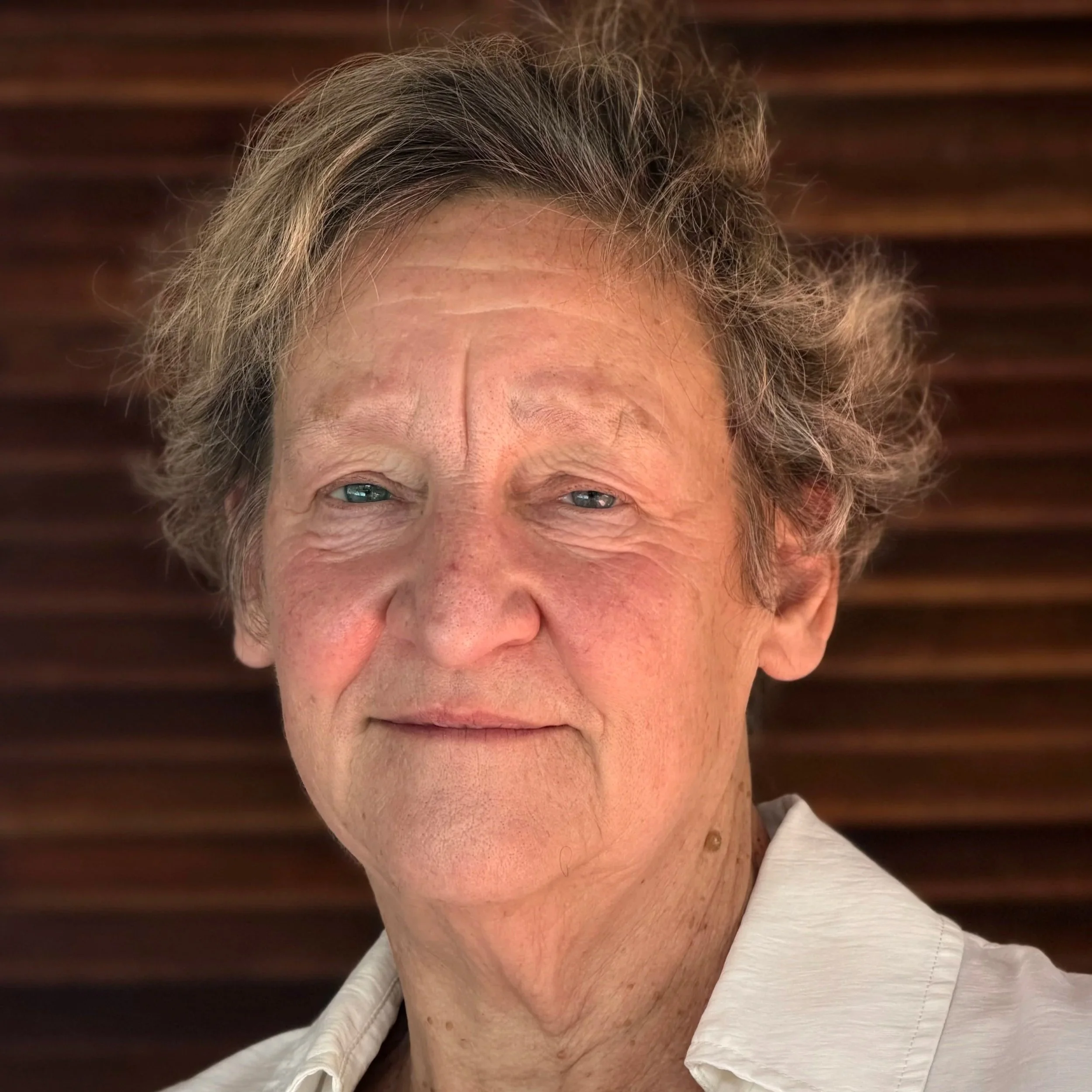
As a founder of ECPAT-USA, now PACT, Carol Smolenski recognized early that protecting children required engagement beyond nonprofits and government agencies.
Her leadership helped introduce The Code in the United States — the world’s first set of voluntary business principles designed to prevent child exploitation in the travel and tourism industry. By bringing the private sector into anti-trafficking efforts, she helped define prevention as a shared responsibility.
“When I helped to start ECPAT-USA more than thirty years ago, there was such little recognition that children were commercially sexually exploited both abroad and in the United States. There was limited legislation that called for their protection and the full prosecution of their exploiters.There was virtually no training for first responders or law enforcement to recognize victims and in the event one was identified, there were few available services to assist them. In addition, these child victims were viewed as somehow complicit in their own exploitation and they were often arrested and charged with prostitution.” - Carol Smolenski, ECPAT-USA Annual Report 2014
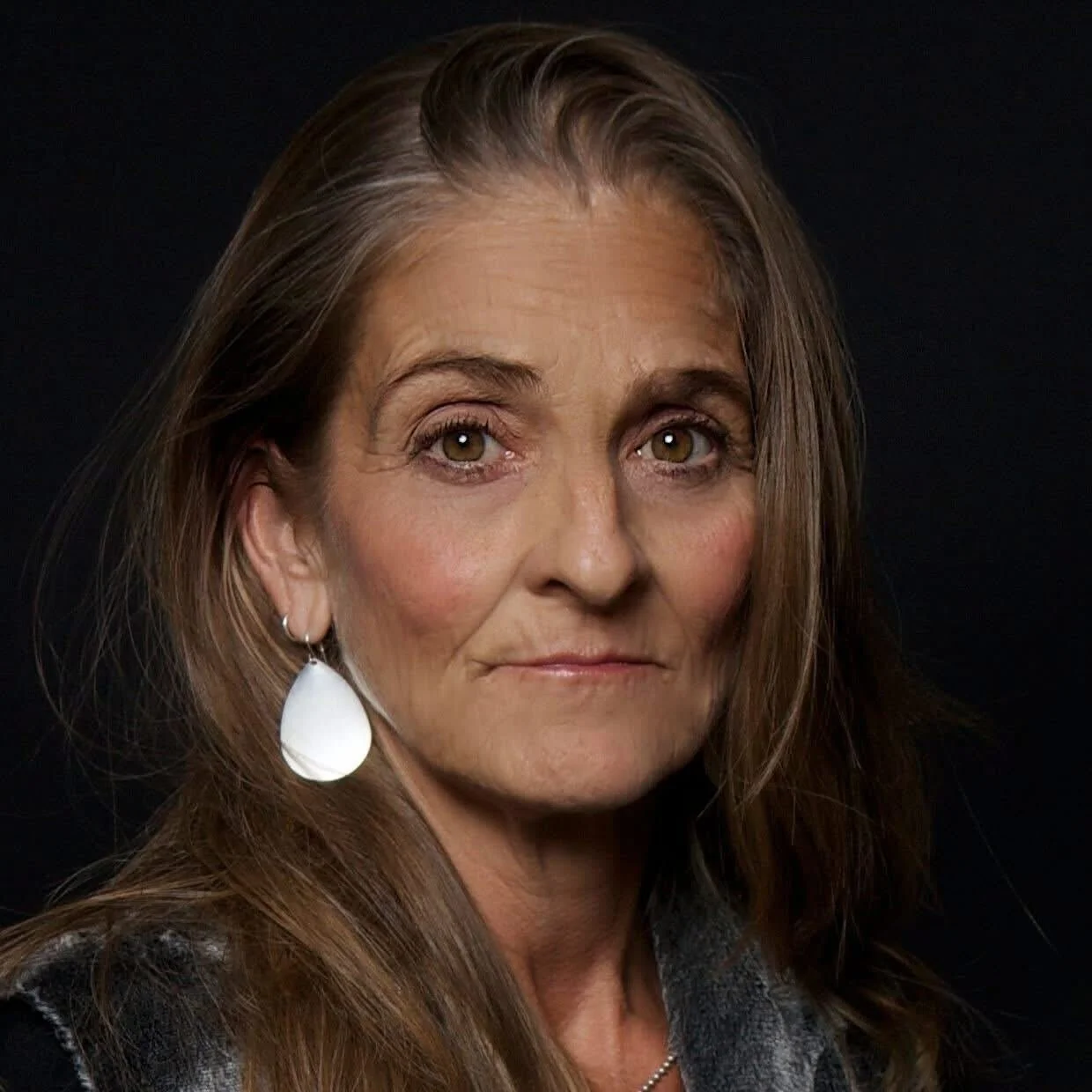
Survivors Shaping Policy: Autumn Burris
In 2026, the idea that survivor input is essential to effective anti-trafficking legislation is on its way to becoming commonplace – but that was not always the case. For over two decades, Autumn Burris has led public policy reform through legislative testimony, international advocacy, and criminal justice education. She has worked with the United Nations, the British Parliament, and U.S. lawmakers, served as an expert witness in federal trafficking cases, and is a co-founding Executive Council member of World Without Exploitation.
“In decades of lived and professional experience, I found this law enforcement situation to be a delicate thing. How do you dance that thin line with law enforcement so that you as an [educator] can send a clear, yet inoffensive message?
How do you walk that fine line between unlearning and relearning in policing? Keep advocating Friends!… We demand justice, fairness and police accountability.” - Autumn Burris for the PACT blog
Nothing About Us Without Us: Barbara Amaya
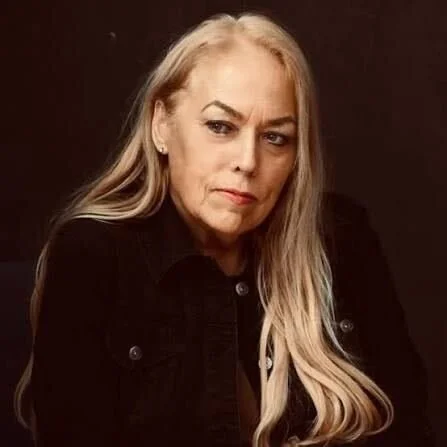
Barbara Amaya was a dedicated advocate, author, and survivor leader who devoted her life to ensuring survivors were seen, heard, and believed. She holds a background in education, a credential in early childhood development and a PhD in psychology.
Understanding the power of personal narrative, she authored a book about her experiences with exploitation and shared a TEDx Talk raising awareness about trafficking.
After passing away in 2024 after a battle with Leukemia, Barbara’s legacy lives on through her oft-quoted rallying cry for survivor inclusion in the anti-trafficking movement:
NOTHING ABOUT US WITHOUT US
Carrying Their Lessons Forward
We acknowledge and celebrate the fact that the anti-trafficking movement exists today because women like these dedicated their lives to raising awareness, pushing boundaries, and demanding that survivor voices are recognized and uplifted.
Consider honoring their legacy this month by reflecting on their lessons, sharing your story and educating others, or raising awareness about trafficking in your community.